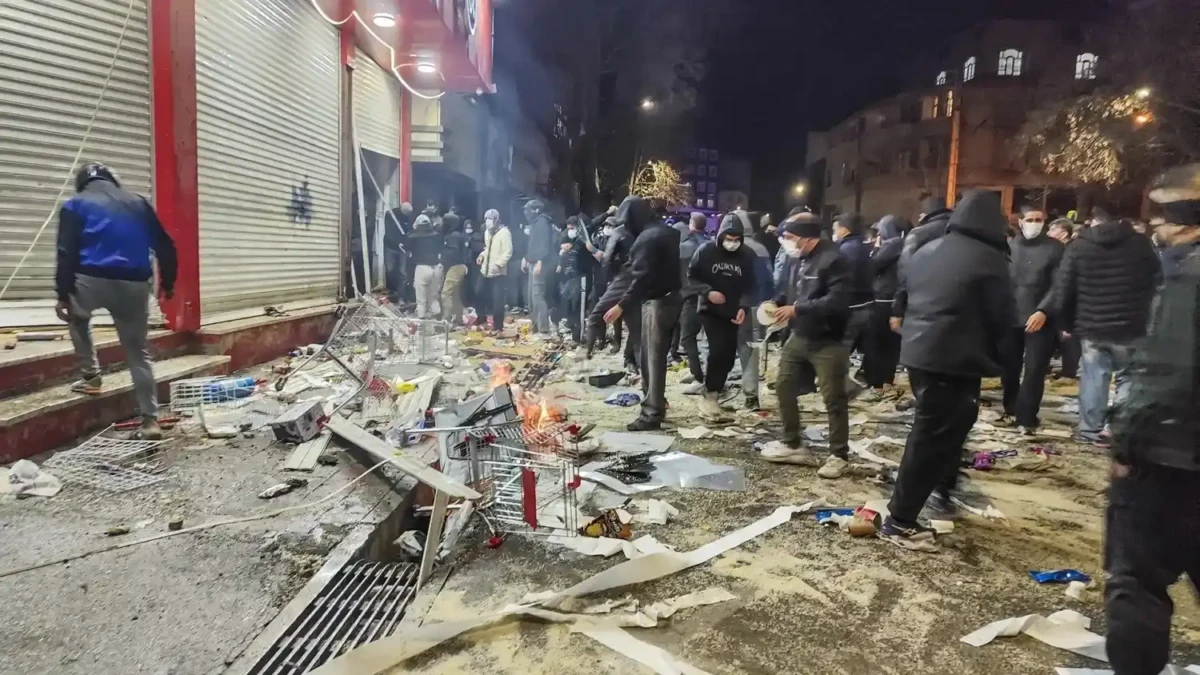
Vast crowds of Iranians have taken to the streets of Tehran and several other cities in a powerful wave of protests demanding an end to the Islamic Republic, with growing calls in some areas for the restoration of the monarchy. Demonstrators from across social classes and generations are voicing deep anger at the clerical elishment that has ruled Iran for nearly half a century.
Young and old, rich and poor, Iranians from all walks of life are now openly challenging the authorities, driven by frustration over political repression, economic hardship, and a sense of hopelessness about the future. Many protesters say their personal aspirations and freedoms have been stripped away by a system they believe no longer represents them.
One young woman in Tehran told the BBC she joined the demonstrations because her dreams had been “stolen,” adding that Iranians still have “a voice to shout” despite years of intimidation. Another protester described a pervasive feeling of despair, saying life in Iran has become unbearable. “We’re living in limbo,” she said. “I feel like I’m ing in the air with neither wings to migrate nor hope to pursue my goals here.”
The protests, which began in late December, have continued to spread and gain momentum. Participants say people are becoming increasingly bold, openly criticizing the government in public spaces and in daylight. A 29-year-old man from Karaj, west of Tehran, said he was surprised to hear people speaking out freely while shopping. “I thought the protests would stop,” he said, “but they haven’t lost momentum.”
It remains difficult to assess the full scale of the unrest due to tight restrictions on independent media, widespread fear of reprisals, and severe internet limitations imposed by the authorities. However, videos shared on social media before near-total internet blackouts show large crowds and sustained demonstrations, underscoring the depth of public anger.
Iranians cite a wide range of grievances, including the absence of political freedoms, systemic corruption, and a deteriorating economy marked by soaring prices and a collapsing currency. While the 2022 protests were sparked by the death of Mahsa Amini in morality police custody, the current unrest was ignited by a strike at Tehran’s historic Grand Bazaar on December 28, triggered by the sharp fall in the value of the rial.
Protests soon spread to universities, which were quickly shut down by authorities under the pretext of cold weather. By then, demonstrations had already expanded to smaller towns and cities, particularly in western Iran, where clashes with security forces have been reported.
Chants heard during the protests reflect both longstanding and emerging sentiments. Familiar slogans such as “Death to the Dictator,” referring to Supreme Leader Ayatollah Ali Khamenei, and “Azadi, Azadi” (“Freedom, Freedom”) continue to echo through the streets. Another widely heard chant declares that the country cannot truly belong to its people while clerical rule remains in place.
New to this wave of protests, however, are chants calling for the return of the Pahlavi monarchy, referencing Reza Pahlavi, son of Iran’s last shah, who was overthrown in the 1979 revolution. Some demonstrators say they see him as a symbol of ce or a possible path out of the current crisis.
Others caution that support for the monarchy reflects desperation rather than consensus. “It’s not about personal preference anymore,” one Tehran resident said. “Staying united is what matters now.” She noted that, unlike the 2022 protests driven by grief, the current demonstrations are marked by anger and determination.
Reports have also emerged of unrest in smaller towns, including acts of symbolic defiance such as targeting businesses linked to the regime. Some protesters claim that even individuals from families connected to the security services are quietly joining the demonstrations.
As protests continue to spread, Iran appears to be facing one of its most serious challenges in years. Where this moment will lead remains uncertain, but the scale and intensity of the unrest suggest a profound crisis of legitimacy for the Islamic Republic.




I think the idea of bringing back a monarchy in Iran is interesting, but is it really the solution to the current unrest?
I find it intriguing how some are advocating for a return to monarchy in Iran. What are your thoughts on this?
I dont know about bringing back the monarchy to Iran, sounds kind of old school to me. What do you all think?
Is a return to monarchy in Iran really the answer? Seems like a step backward, not forward. Thoughts?