
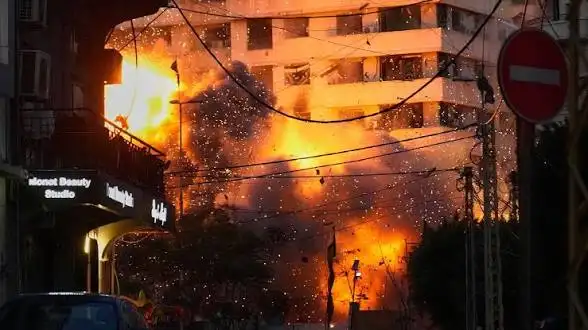
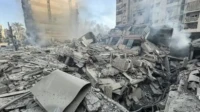
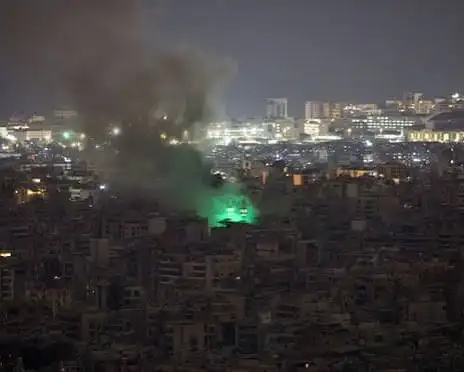
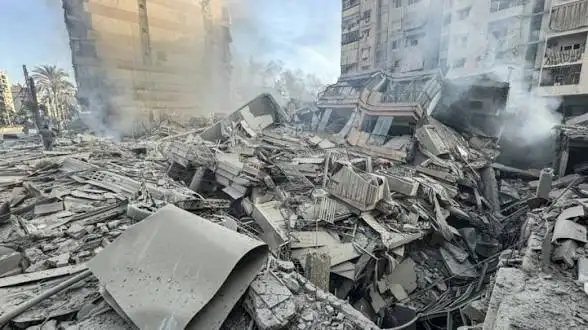
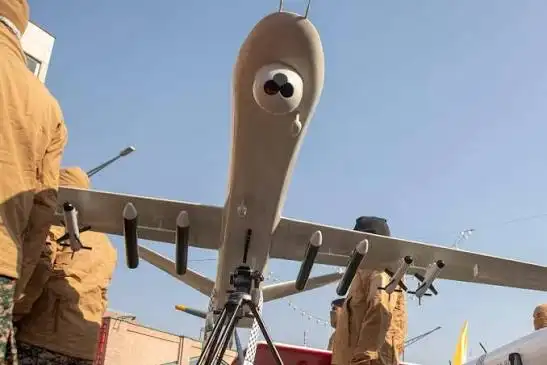
Missile launches attributed to Iran have struck multiple energy facilities across the Gulf, causing significant fires and structural damage that have disrupted operations and heightened concerns about the vulnerability of critical infrastructure in one of the world’s most important energy producing regions, as authorities work to contain the impact and restore functionality under challenging conditions.
Officials in affected countries confirmed that emergency response teams were deployed immediately to manage fires and secure damaged installations, while safety protocols were activated to protect workers and nearby communities, with early assessments indicating that several facilities experienced operational shutdowns as a precautionary measure pending thorough inspections and risk evaluations by technical experts.
Energy market participants reacted swiftly to the developments, with prices rising amid fears that sustained disruptions could limit supply availability, particularly given the concentration of production capacity within the region, prompting traders to adjust positions and hedge against further volatility as uncertainty surrounding the extent and duration of the damage continues to evolve.
Security analysts highlighted the coordinated nature of the strikes, suggesting a deliberate effort to target strategically significant sites, which could signal an escalation in tactics and increase the risk of broader confrontation, especially as regional actors reassess defensive capabilities and consider potential responses to protect critical assets from future incidents of a similar nature.
International calls for restraint have intensified, with several governments urging all parties to avoid further escalation and prioritize dialogue, while global organizations emphasize the importance of safeguarding civilian infrastructure and maintaining ility in energy markets that underpin economic activity across both developed and developing economies worldwide.
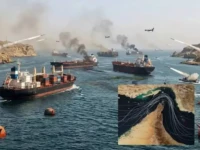
Shipping and logistics sectors are also feeling the effects, as operators review routes and implement additional precautions to ensure the safety of vessels and cargo, leading to potential delays and increased costs that ripple through supply chains, affecting industries reliant on timely delivery of energy resources and related materials in various parts of the world.
The incident underscores the growing intersection between geopolitical tensions and economic ility, illustrating how disruptions in key regions can have far reaching consequences, and reinforcing the need for coordinated international efforts to enhance resilience, strengthen infrastructure protection, and pursue diplomatic solutions aimed at reducing the likelihood of further escalation in the future.







Leave a comment