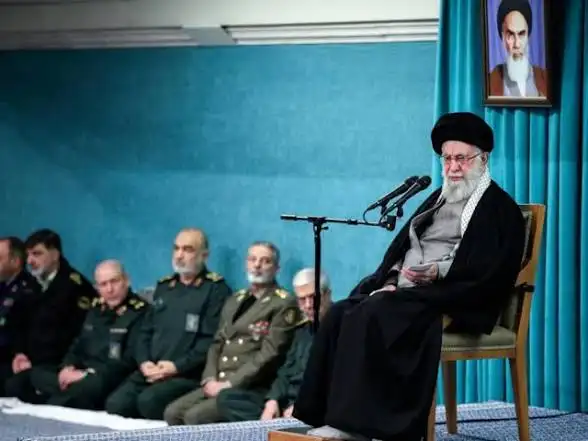
Iranian officials reaffirmed their position on nuclear restrictions during a period of intensified regional hostilities, stating that policy decisions will follow national interests and legal commitments. Government spokespeople said external pressure would not alter strategic calculations, while diplomatic channels remain open through intermediaries and multilateral forums seeking calibrated dialogue under complex security circumstances for all parties concerned presently.
Iran foreign ministry representatives emphasized that compliance frameworks must be reciprocal, verifiable, and respectful of sovereignty. They argued that unilateral demands undermine trust and complicate sequencing of technical steps. Officials referenced existing agreements and oversight mechanisms while indicating readiness to engage experts on safeguards, monitoring provisions, and phased implementation pathways acceptable to stakeholders across relevant international venues today.
Officials in United States and several European capitals said diplomatic summaries reflect substantive discussions and confidence building measures. They maintained that transparency tools and verification standards are essential for progress. Briefings cited technical working groups, indirect messaging, and partner consultations aimed at narrowing gaps and sustaining constructive engagement through multilateral channels amid elevated regional tensions and scrutiny worldwide.
Independent analysts observed that entrenched positions often coexist with active negotiations during high stakes crises. Public messaging can serve domestic aunces while private channels explore compromise formulas. Experts highlighted sequencing, reciprocity, and enforcement design as pivotal variables shaping outcomes, cautioning that misaligned expectations may slow momentum despite sustained contacts between parties across multiple diplomatic tracks and forums today.
Regional governments monitored developments closely, balancing security priorities with economic considerations. Energy exporters, importers, and shipping operators assessed potential implications for supply continuity and insurance costs. Policy advisers reviewed contingency options while encouraging restraint and verification of claims through credible institutions to reduce risks of escalation and market disruption across interconnected trade corridors and financial systems worldwide today.
Within Iran, lawmakers and commentators debated negotiation tactics and policy sequencing. Some favored incremental arrangements prioritizing sanctions relief and technical verification, while others advocated comprehensive frameworks addressing regional security architecture. State media emphasized legal principles and national interests, reflecting diverse perspectives within institutional and public discourse during continuing consultations and committee reviews nationwide today and abroad as well.
Observers said future trajectories will depend on reciprocity, timelines, and credible monitoring. Confidence building measures and dispute resolution mechanisms remain central themes. Stakeholders appear committed to sustained engagement despite rhetoric, suggesting structured diplomacy may persist as parties evaluate pathways toward durable understandings under evolving regional conditions and international facilitation efforts supported by partners and multilateral institutions worldwide today.










Leave a comment