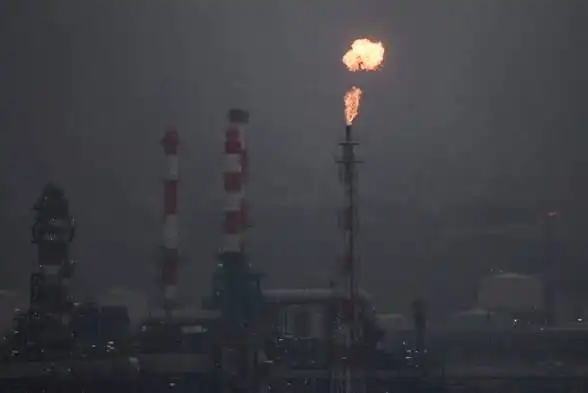
Operations attributed to Iran linked groups have continued to focus on critical infrastructure across Gulf states, raising concerns among regional authorities and international observers. Key facilities including energy installations, transportation hubs, and communication networks have been placed under heightened surveillance as governments respond to an evolving pattern of coordinated disruptions affecting essential economic systems and public services.
Security officials in several Gulf countries report an increase in incidents involving unmanned aerial systems and other indirect ods aimed at strategic assets. These developments have prompted rapid adjustments in defense strategies, with authorities strengthening monitoring systems and deploying additional protective measures to safeguard infrastructure considered vital to national and regional ility.
Experts note that such operations appear designed to exert pressure without triggering full scale confrontation, relying on persistent low intensity actions that complicate response efforts. By targeting infrastructure rather than direct military positions, these incidents can disrupt daily life, strain resources, and create uncertainty within both domestic populations and international markets dependent on regional outputs.
Governments across the Gulf have intensified coordination efforts, sharing intelligence and aligning defensive protocols to counter emerging threats. Joint initiatives include enhancing early warning systems, improving response times, and conducting regular security assessments of vulnerable sites. These measures aim to ensure continuity of operations despite the challenges posed by increasingly sophisticated tactics.
Economic implications remain a major concern as repeated disruptions risk affecting energy production and distribution. Analysts warn that prolonged pressure on infrastructure could influence global supply chains, particularly in sectors reliant on consistent output from Gulf producers. Market observers continue to monitor fluctuations tied to security developments and perceived risks within the region.
International partners have expressed support for Gulf nations while urging restraint and dialogue to prevent further escalation. Diplomatic channels remain active, though progress has been limited amid ongoing tensions. The situation underscores the delicate balance between maintaining security and avoiding actions that could widen the scope of confrontation across multiple fronts.
As infrastructure protection becomes a central priority, authorities emphasize the importance of resilience and preparedness. Investments in technology, training, and regional cooperation are expected to play a critical role in addressing future challenges. Observers note that the persistence of such operations suggests a prolonged period of heightened vigilance across the Gulf landscape.






Leave a comment