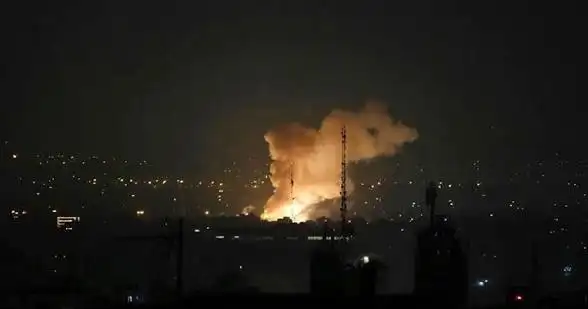
Iran has launched multiple waves of missiles toward Israel, signaling a sharp escalation in regional tensions while dismissing claims from the United States that diplomatic negotiations remain possible. Officials in Tehran stated that their actions reflect strategic priorities and warned that external narratives about dialogue are misleading amid ongoing military developments across the region at present time now.
Israeli authorities confirmed that defense systems were activated in response to incoming projectiles, with sirens reported in several cities as emergency protocols were implemented. Military spokespersons indicated that interception efforts were ongoing and urged residents to remain vigilant, emphasizing that the situation remains fluid as assessments continue regarding the scale and intent of the barrage at this time.
United States officials rejected assertions that negotiations have collapsed, maintaining that diplomatic channels remain open despite the heightened confrontation. Senior representatives said communication efforts are continuing through intermediaries, though they acknowledged that recent developments complicate progress. Analysts suggest that differing public statements from both sides reflect broader strategic messaging aimed at domestic and international aunces in context today.
Regional observers noted that the latest developments could influence security calculations across neighboring countries, particularly those already on alert due to ongoing hostilities. Governments in the region have issued advisories and adjusted defense postures while monitoring the situation closely. Concerns are growing about potential ripple effects that could impact energy routes and commercial activities linked to maritime corridors.
Market reactions were immediate as investors responded to the escalation with caution, leading to fluctuations in oil prices and broader financial indicators. Traders are evaluating the possibility of supply disruptions if tensions continue to intensify. Economists warn that prolonged uncertainty could affect global growth projections, especially if key transit points become vulnerable to further confrontation in coming weeks.
International organizations have called for restraint, urging all parties to prioritize de escalation and avoid actions that could further inflame the situation. Diplomatic missions are engaging with regional actors in an effort to prevent miscalculations. Humanitarian agencies are also preparing contingency plans in case civilian infrastructure is affected by any continued exce of hostilities during this crisis period.
The evolving situation continues to draw global attention as policymakers weigh responses and consider the broader implications for international security. Observers note that communication and clarity between major stakeholders will be essential in determining whether tensions can be reduced. For now, the trajectory remains uncertain, with developments unfolding rapidly and shaping the next phase of the crisis ahead.








Leave a comment