
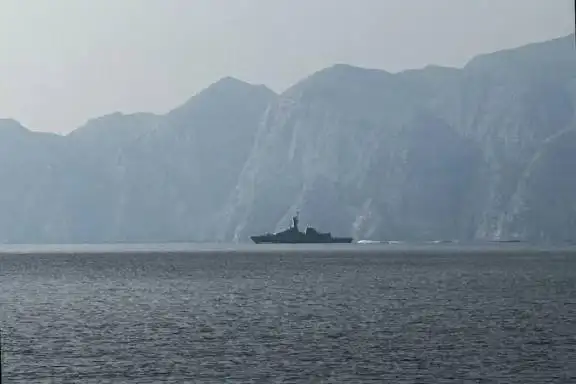
Iranian authorities have issued a strong advisory cautioning vessels from Western nations against entering waters in the Persian Gulf as tensions continue to shape maritime activity in the region. Officials in Tehran stated that foreign ships linked to countries involved in the current regional conflict should exercise extreme caution when approaching Gulf shipping lanes. The warning comes at a time when commercial maritime traffic in the area has already slowed due to growing concerns about security conditions.
The announcement was delivered through statements by Iranian maritime and defense officials who said that regional waters remain under close surveillance by Iranian naval forces. According to the officials, vessels connected to governments seen as participants in the ongoing conflict could face increased monitoring while operating near Iranian territorial waters. The advisory reflects a broader effort by Tehran to assert its authority across key maritime routes that connect major oil producing states with global energy markets.
Shipping companies and maritime insurers have been closely following developments in the Gulf, particularly around the Strait of Hormuz which serves as a major passage for global energy exports. Industry experts say that statements from regional governments often influence the risk calculations of shipping firms that must decide whether to move cargo through areas experiencing heightened geopolitical tension. As a result, some commercial operators have slowed or delayed journeys while they assess the potential implications of the warning.
Energy analysts point out that the Persian Gulf remains one of the most strategically important maritime regions in the world. A significant portion of internationally traded crude oil and liquefied natural gas travels through its waters every day. Any signal of heightened tension or potential restrictions can have immediate consequences for shipping schedules and commodity prices. The latest warning from Iranian authorities has therefore attracted attention from governments, energy companies, and financial markets that depend on le flows of oil shipments.
Observers say the situation highlights how quickly political and military developments can affect global trade routes. Maritime security specialists are urging all commercial operators to maintain close communication with regional authorities and international shipping organizations while navigating the area. For now many companies appear to be adopting a cautious approach, adjusting routes or waiting for additional clarity as they attempt to balance commercial obligations with safety considerations in one of the world’s most sensitive shipping corridors.






Leave a comment