
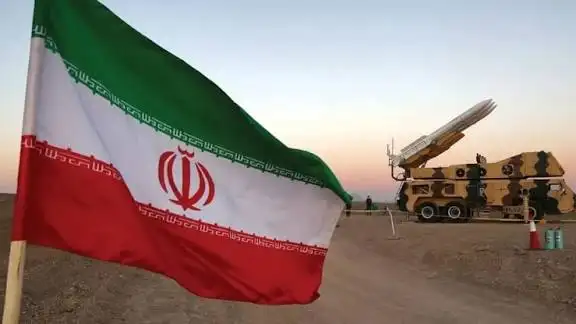
Authorities in Iran have issued a formal aviation notice warning of planned rocket launches over portions of Gulf airspace, prompting heightened monitoring by regional aviation authorities and international carriers operating in the area.
The notice, commonly referred to as a NOTAM, was published through official aviation channels to alert pilots and airlines of temporary airspace restrictions during scheduled aerospace activities. According to Iranian officials, the launches are part of a pre planned program involving space and defense related testing. Specific technical details regarding payload or trajectory were not publicly disclosed.
Aviation regulators use such notices to inform flight crews of potential hazards including missile tests, military exercises, or space launches that could affect civilian air traffic. The warning outlines designated coordinates and time windows during which aircraft are advised to avoid the affected zones for safety reasons.
Regional airlines have begun adjusting flight paths to ensure compliance with international safety standards. Industry analysts note that airspace over and around the Gulf is among the busiest corridors globally, connecting Europe, Asia, and Africa. Even temporary restrictions can require complex rerouting to maintain operational continuity.
Iranian officials emphasized that the notice reflects adherence to international civil aviation protocols, stating that prior notification is intended to minimize risk to commercial aviation. They described the launches as routine within the framework of national aerospace development programs.
The development comes amid heightened geopolitical sensitivity in the broader Middle East. While there is no immediate indication of escalation, defense analysts observe that rocket and missile testing in the region often attracts close scrutiny from neighboring states and global powers.
International aviation bos are closely monitoring the situation. Airlines operating long haul routes across the Gulf region typically coordinate with air traffic control centers and safety authorities to assess potential impacts on scheduling and fuel planning.
Security experts say that transparent communication through formal aviation channels is critical in preventing misunderstandings or unintended incidents. They note that past regional tensions have underscored the importance of clear notification procedures when military or aerospace activities intersect with civilian air routes.
As the designated launch window approaches, carriers will continue to track official updates. Aviation officials have reiterated that passenger safety remains the highest priority, and contingency plans are in place to adjust operations if necessary.
The issuance of the aviation notice highlights the delicate balance between national aerospace ambitions and the demands of global commercial aviation, particularly in strategically significant airspace corridors.











Leave a comment