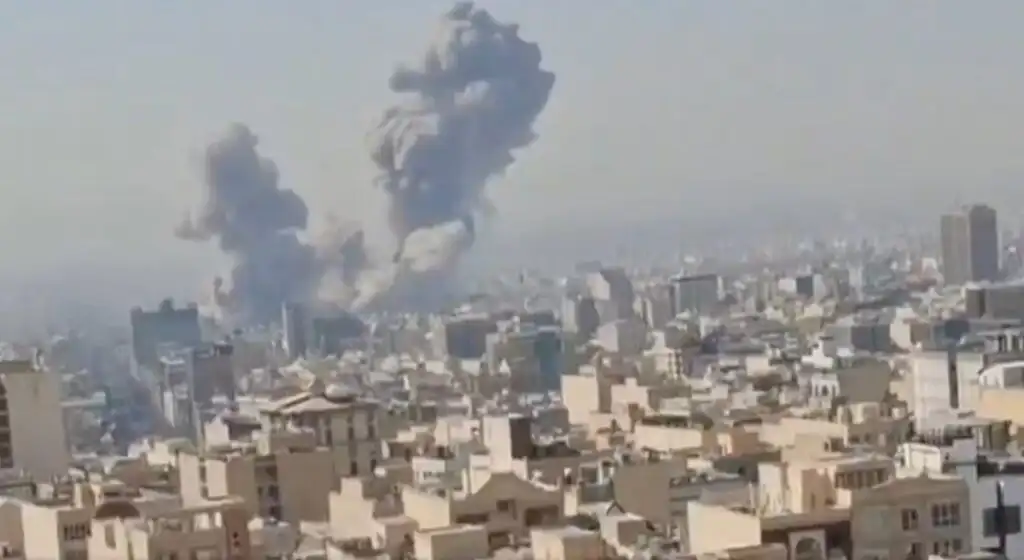
Iranian authorities have issued warnings to citizens attempting to access the internet in defiance of a communications blackout that has left the country largely cut off from the outside world, witnesses told AFP on Thursday.
According to the monitor group Netblocks Iran’s internet connectivity was running at around one percent of ordinary levels leaving most residents unable to access basic information, navigation tools, or communication apps. Many Iranians who managed to connect using virtual private networks (VPNs) received messages warning that repeated attempts could result in line suspension and referral to judicial authorities.
A resident of Tehran described the situation as extremely difficult saying voice calls rarely go through and text messages are the only reliable means of communication. The internet cutoff began on Saturday after air strikes by Israel and the United States, which continued into Thursday for a sixth consecutive day.
The blackout has made calls from overseas nearly impossible and severely restricted journalists reporting on the conflict. Basic tasks such as checking websites, using navigation tools like Google Maps, or contacting relatives have become largely impossible. Only a highly limited local intranet remains functional. Israeli and US strikes have repeatedly targeted Iranian state television and radio infrastructure, further disrupting communications.
Some residents have attempted to circumvent the blackout using illegal Starlink satellite terminals owned by Elon Musk, which previously proved crucial for communications in Ukraine after Russia’s invasion in 2022. However Iranian authorities have historically found ways to disrupt Starlink during national protests and conflicts, including last year’s June war with Israel and the 2022 nationwide protests following the death of Mahsa Amini.
Awyar Shekhi, a member of the Norway-based Hengaw Organisation for Human Rights, said documenting civilian deaths and abuses has been complicated by the communication blackout. She explained that human rights groups have built their own networks to maintain information flow during such cutoffs, but the situation remains stressful for both Iranians inside the country and exiles in the diaspora.
Residents describe the internet situation as “abysmal” with connections that intermittently work but are too slow for VPNs or reliable communication. Many are forced to rely on intermittent texting and makeshift networks to share updates with family and friends amid the ongoing crisis.











Leave a comment