
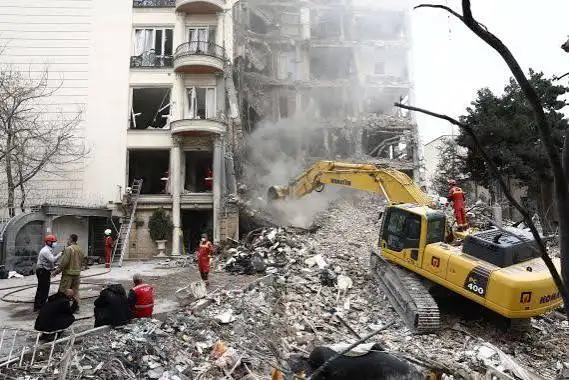
Iranian officials have firmly rejected statements from Washington suggesting that active nuclear negotiations are underway, describing the claims as entirely unfounded and misleading. Senior representatives in Tehran stated that no formal or informal discussions are currently taking place, emphasizing that such narratives appear designed to shape international perception amid heightened regional tensions and ongoing military developments.
Government spokespersons reiterated that Iran has not authorized any backchannel or indirect diplomatic engagement regarding its nuclear program at this time. Officials argued that circulating reports of negotiations risk undermining transparency and could create confusion among international observers. They maintained that any legitimate dialogue would be communicated through official and verifiable diplomatic channels rather than anonymous sources.
The dispute over the existence of talks comes as global attention remains fixed on escalating developments across the Middle East. Analysts note that narratives around diplomacy often play a strategic role during periods of conflict, with competing parties attempting to influence both domestic aunces and international stakeholders through carefully framed messaging and selective disclosures.
In Washington, officials have continued to signal that diplomatic options remain under consideration despite rising tensions. Some sources familiar with internal discussions suggested that informal communication channels could still exist, even if they have not been publicly acknowledged by Tehran. However, no concrete evidence has been presented to confirm ongoing negotiations between the two sides.
Experts in international relations have pointed out that conflicting statements are not uncommon in complex geopolitical situations. Governments may choose to deny or downplay discussions for strategic reasons, including maintaining leverage or avoiding domestic political pressure. At the same time, misinformation or premature disclosures can further complicate already fragile diplomatic environments.
Regional observers have expressed concern that mixed messaging regarding negotiations could hinder efforts to reduce tensions. The absence of clear communication increases uncertainty, making it more difficult for mediators to elish trust between parties. Several countries have quietly encouraged both sides to clarify their positions in order to prevent misunderstandings from escalating further.
As uncertainty continues, the broader international community remains attentive to any signs of genuine diplomatic movement. While official denials from Tehran appear unequivocal, the possibility of undisclosed communication cannot be entirely ruled out. For now, the situation highlights the challenges of navigating diplomacy in an environment shaped by conflict, suion, and competing narratives.



Leave a comment