
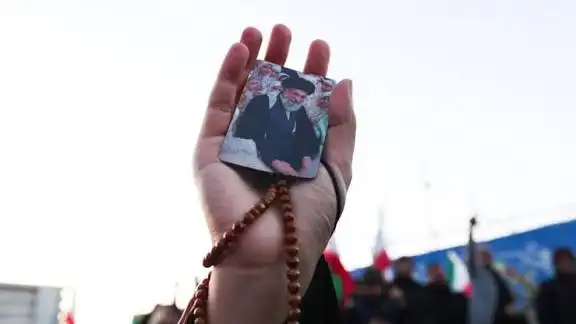
ranian authorities announced forty days of national mourning after state media reported the death of Supreme Leader Ayatollah Ali Khamenei, a development that has sent shockwaves across the Middle East. The government described the period as a time for reflection and remembrance while signaling that the country will respond decisively to foreign military actions attributed to the United States and Israel.
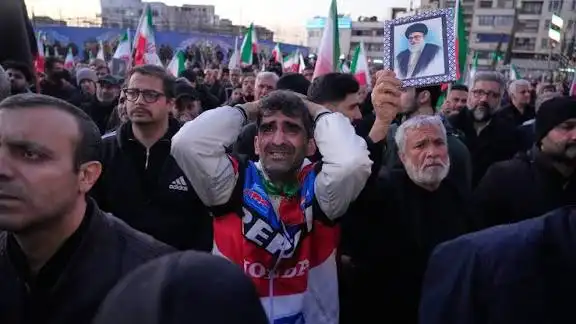
State media reported that flags across public buildings and institutions will be lowered to half mast, and special commemorative events will be organized in major cities. Religious centers and mosques are expected to host gatherings for prayer and mourning, emphasizing the cultural and political significance of the Supreme Leader’s role in Iranian society. Officials stressed that public participation should be orderly and respectful, while security forces prepared to manage crowds during planned ceremonies.
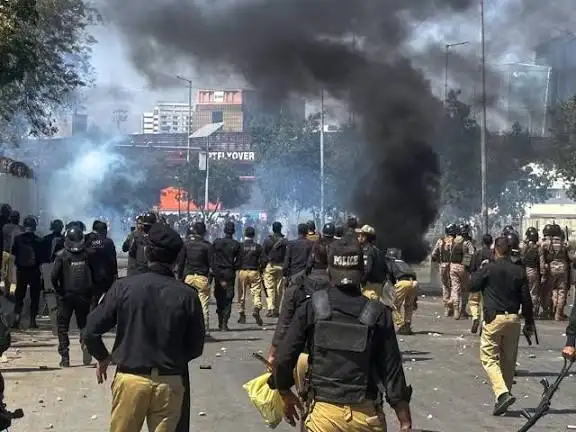
The announcement of mourning follows a wave of escalated military exchanges, including missile and drone strikes targeting United States assets in the Gulf and additional Israeli operations inside Iran. Iranian authorities indicated that the period of mourning will coincide with heightened vigilance along borders and critical infrastructure to deter any further external aggression. Analysts note that the official mourning declaration underscores both the gravity of the loss and the potential for intensified domestic and regional responses.
Public sentiment in Iran is reported to be deeply divided. While many citizens and political groups have expressed grief and solidarity with the Supreme Leader, others have raised concerns about the implications for the country’s governance and stability during a period of intense international tension. Authorities are balancing the need for national unity with security considerations as the mourning period begins.
International reactions have been mixed, with some governments expressing condolences while others monitor the situation closely for signs of further military escalation. The period of mourning is also expected to influence diplomatic calculations, as regional and global powers assess how Iran’s leadership transition and public sentiment may shape policy decisions and potential retaliatory actions.
Analysts emphasize that the forty-day mourning period is not only a cultural observance but also a signal of Iran’s intent to project resilience and authority in the face of external pressures. Observers expect that state-directed ceremonies, coupled with military readiness, will send a strong message to both domestic and international audiences regarding Iran’s strategic posture.










Leave a comment