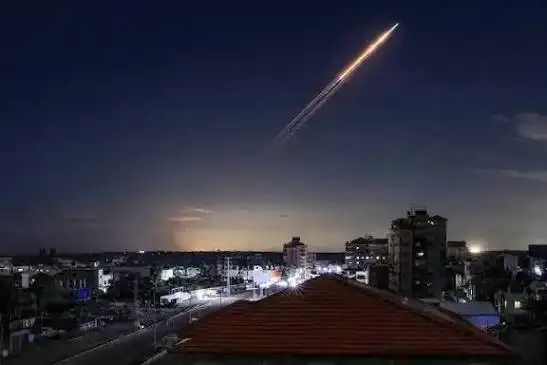
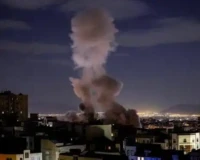
Iran has continued its campaign of missile and drone operations targeting various locations across the region, according to multiple defense monitoring groups. The sustained activity reflects an ongoing response to recent military developments, with officials indicating that operations are being conducted in a calculated manner aimed at demonstrating capability while maintaining strategic pressure on opposing forces.
Military sources within Iran stated that the use of both missile systems and unmanned aerial vehicles allows for flexible targeting and operational reach. Analysts note that combining these platforms enables layered responses, making it more difficult for defensive systems to intercept all incoming threats while also signaling a capacity for prolonged engagement if conditions persist.
Regional defense systems have reportedly been activated in response to the incoming projectiles, with several interceptions claimed by authorities in affected areas. Despite these efforts, some projectiles are believed to have reached their intended مناطق, raising concerns about potential damage to infrastructure and increased risks to civilian populations in zones experiencing repeated alerts and disruptions.
Officials in Tehran have framed the ongoing operations as defensive measures, emphasizing the country’s right to respond to external military pressure. Government statements have underscored a commitment to continuing such actions if necessary, while also asserting that responsibility for the escalation lies with opposing actors involved in earlier operations within Iranian territory.
Security analysts observing the situation highlighted the broader implications of sustained missile and drone activity. They noted that continued exces increase the likelihood of miscalculation, particularly in a region where multiple actors maintain overlapping interests. The complexity of the operational environment makes de escalation efforts more challenging as events unfold rapidly.
International responses have included calls for restraint and renewed diplomatic engagement to prevent further deterioration of the situation. Several governments have expressed concern about the expanding scope of military actions and their potential impact on regional ility. Efforts to reopen communication channels are ongoing, though progress remains uncertain amid conflicting positions.
As the situation evolves, monitoring organizations continue to track developments closely, focusing on both the scale and frequency of operations. Observers suggest that the persistence of these activities could shape the next phase of the conflict, influencing strategic decisions on all sides while also affecting civilian populations living in areas exposed to repeated threats.



Leave a comment