
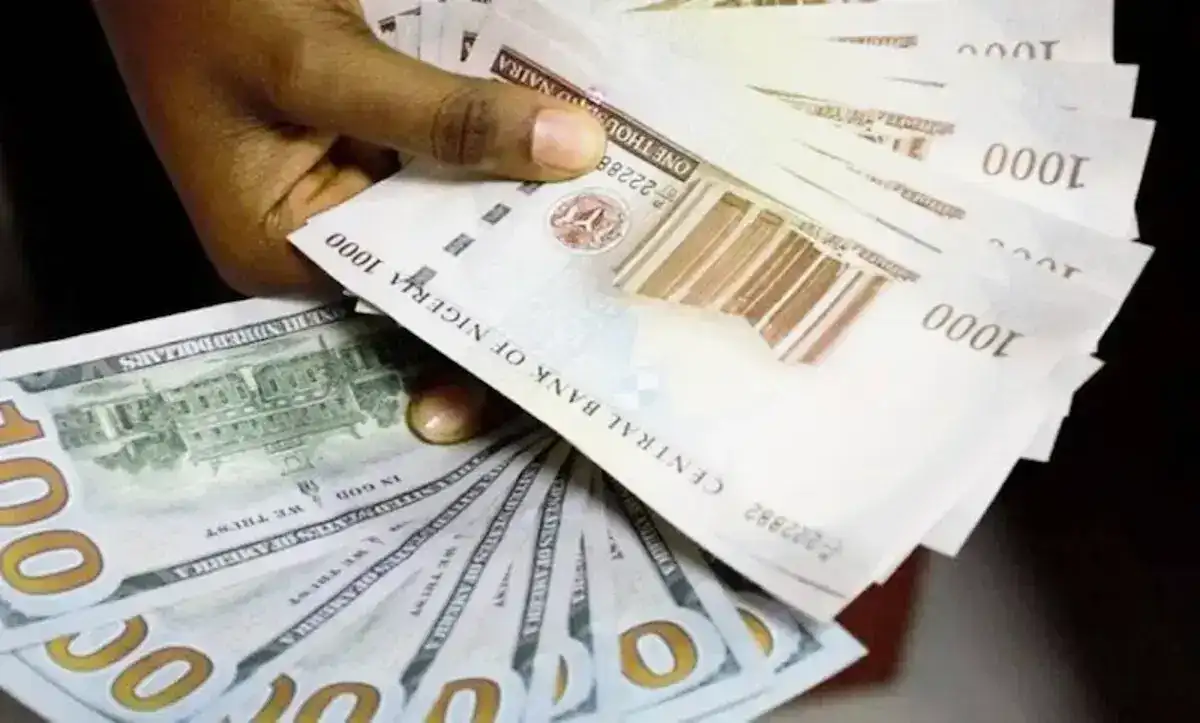
Nigeria may benefit economically from the ongoing Middle East conflict as rising global oil prices could strengthen the naira and reduce the country’s dependence on borrowing, according to Senator Jimoh Ibrahim.
The lawmaker representing Ondo South shared this view during an interview on Politics Today on Channels Television, where he discussed the possible economic implications of the tensions in the Middle East on Nigeria’s oil driven economy.
According to Ibrahim, the conflict has already pushed global oil prices higher, which could translate into increased revenue for Nigeria as a major crude oil exporter. With higher earnings from oil sales, the country could experience stronger inflows of foreign currency, particularly the United States dollar.
He explained that increased dollar inflows would give the Central Bank of Nigeria more capacity to intervene in the foreign exce market. Such interventions could help ilise the naira and make foreign currency more available within the economy.
Ibrahim noted that while the value of the dollar might initially rise due to global uncertainty, higher oil export earnings would eventually bring more dollars into Nigeria’s reserves. This increased liquidity could help the central bank ilise exce rates and improve overall macroeconomic conditions.
The senator also praised the economic management of the administration of Bola Tinubu, particularly in the area of debt servicing. He pointed out that Nigeria’s revenue to debt servicing ratio has improved significantly compared to previous years.
According to him, before the current administration took office, about 96 percent of Nigeria’s revenue was reportedly used to service debt. However, he said the figure has now dropped to around 68 percent, leaving the government with more fiscal space to address economic priorities.
With oil prices nearly doubling as tensions escalate in the Middle East, Ibrahim believes Nigeria now has a unique opportunity to ilise its macroeconomic environment through increased oil earnings.
However, he also acknowledged that the crisis could bring challenges for ordinary Nigerians. Rising global oil prices could push up domestic fuel costs, which may lead to higher transportation expenses and increased cost of living.
Despite these potential difficulties, the senator expressed confidence that the Nigerian government has the financial capacity to cushion the impact on citizens. He argued that the additional revenue generated from crude oil exports could allow policymakers to implement measures that soften the economic pressure on households.
He further noted that Nigeria cannot isolate itself from global economic developments because it is part of an interconnected global system. Events in major oil producing regions such as the Middle East will always have ripple effects on economies around the world.
For Nigeria, however, the situation presents both a challenge and an opportunity. While higher energy prices may increase living costs domestically, stronger oil revenues could provide the government with the resources needed to strengthen the naira, ilise markets, and reduce the need for external borrowing.








Leave a comment