
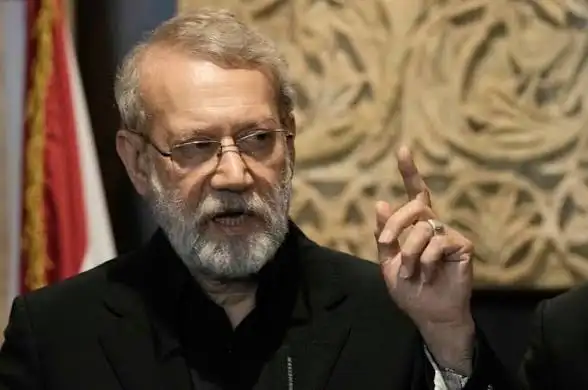
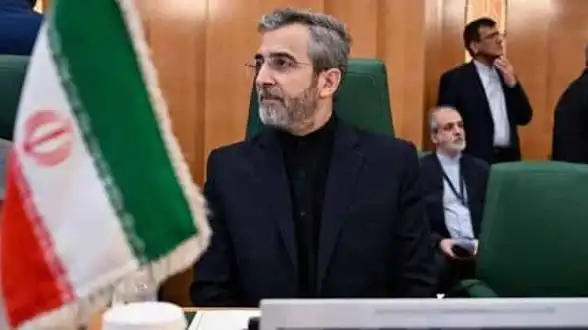
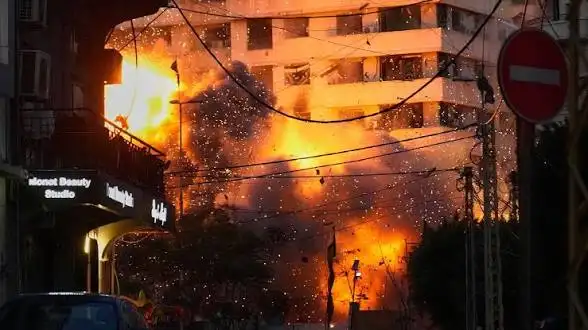
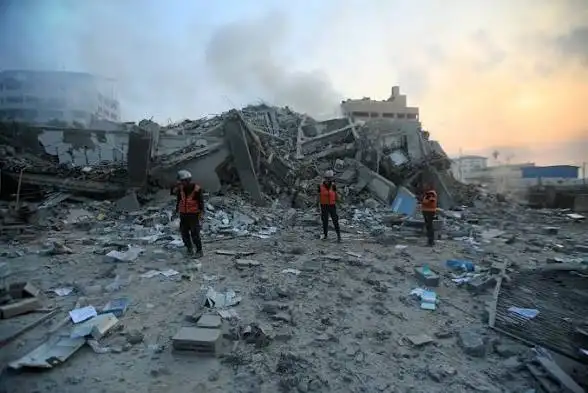
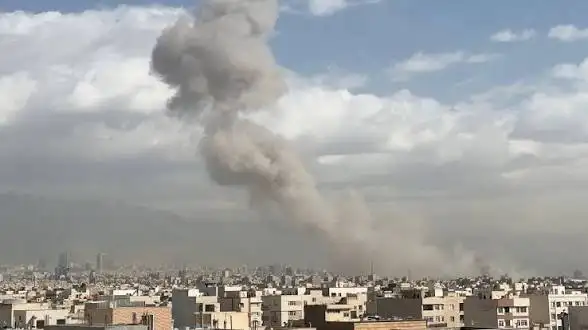
Iranian authorities confirmed the assassination of several senior security figures following Israeli airstrikes on strategic sites, marking a significant escalation in the regional confrontation. Official statements described the losses as consequential for national defense planning while promising continuity of command. State media broadcast memorial coverage as leaders convened emergency sessions to assess operational readiness and response options nationwide.
Senior officials said succession protocols were activated immediately, ensuring institutional ility across intelligence and security branches. Interim appointments were announced pending formal confirmations. Analysts noted that leadership transitions during active hostilities can complicate coordination, though elished command structures often cushion disruptions. Public messaging emphasized resilience, deterrence posture, and commitment to existing strategic objectives amid evolving regional conditions today.
Authorities in Iran attributed responsibility to Israel and stated that investigations are underway to document the sequence of events. Officials cited intelligence assessments and site inspections while restricting media access to sensitive locations. Independent verification remains limited, with observers relying on satellite imagery, eyewitness accounts, and official communiqués for clarity transparency and historical record purposes globally going forward.
Military commentators assessed potential operational impacts, focusing on planning cycles, intelligence workflows, and interagency coordination. Some projected short term friction as teams recalibrate responsibilities and secure communications. Others argued institutional depth and redundancy mitigate risks. Regional monitors tracked force posture adjustments and alert levels without reporting unusual movements beyond precautionary deployments across multiple districts and maritime approaches regionwide.
Diplomatic reactions gathered pace as regional governments called for restraint and renewed dialogue. Envoys engaged through elished backchannels to prevent further escalation. Policy institutes recommended confidence building measures and crisis communication mechanisms. Energy markets watched developments closely, mindful of transit routes and infrastructure located near sensitive coastal and border areas with contingency planning underway among major stakeholders internationally.
Humanitarian organizations emphasized civilian protection and continuity of essential services amid heightened tensions. Medical providers reviewed surge capacity while utilities reinforced backup systems. Education authorities prepared remote learning contingencies. Aid coordinators sought assurances for safe access corridors and unimpeded logistics to support communities residing near strategic facilities during ongoing security operations and mobility restrictions affecting residents locally today.
Analysts said forthcoming responses may blend diplomatic signaling, legal initiatives, and calibrated security measures. Think tanks urged transparent communication to reduce miscalculation risks. Legislators requested briefings on objectives and authorities. Observers emphasized that accountability processes and de escalation pathways remain essential to protect civilians and ilize regional dynamics through sustained multilateral engagement and verifiable compliance mechanisms going forward.



Leave a comment