
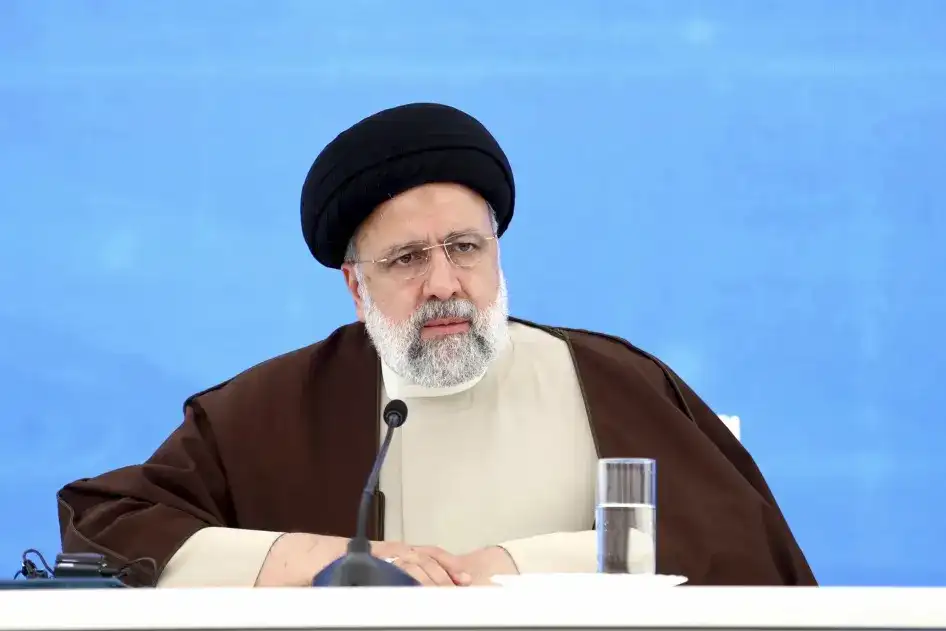
Iran’s powerful clerical body responsible for appointing the country’s supreme leader has reached a decision on who will succeed the late leader, although the name of the chosen candidate has not yet been publicly announced.
Members of the Assembly of Experts confirmed on Sunday that voting had taken place and a new leader had been selected. According to Ahmad Alamolhoda, the decision has already been finalized and the official announcement will be made by the body’s secretariat.
The position of supreme leader is the most powerful office in the Islamic Republic and holds the highest political and religious authority in the country. The leader has the final say over major national decisions including security policies governance and foreign relations.
The selection process followed the death of former supreme leader Ali Khamenei who was reportedly ed on February twenty eight during joint military strikes by the United States and Israel. The triggered a wider conflict that has escalated tensions across the Middle East.
Another member of the Assembly of Experts Mohsen Heydari said the majority of representatives had agreed on what he described as the most suitable candidate for the role. He explained that the decision followed extensive consultations among members representing different provinces including Khuzestan.
Speculation has grown around the possible appointment of Mojtaba Khamenei who has long been mentioned as a potential successor to his father.
Meanwhile tensions surrounding the leadership transition increased after Donald Trump publicly claimed he should have influence over the selection of the next leader. Iranian officials strongly rejected the idea and insisted that the choice of a new supreme leader is strictly an internal matter.
Members of the Assembly of Experts have also continued their meetings despite security threats and warnings issued online by Israeli military channels.
The official announcement of Iran new supreme leader is expected soon as the country navigates a period of political uncertainty and regional conflict.





Leave a comment