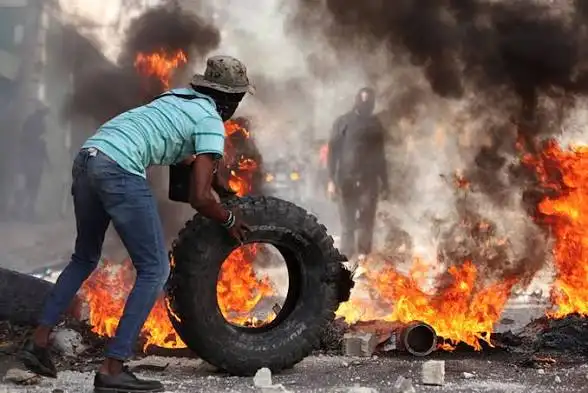
Concern is mounting among global leaders as the ongoing regional conflict shows signs of expanding beyond its current scope. Diplomatic sources indicate that multiple governments are increasingly worried about the potential for wider involvement. The evolving situation has drawn attention to the fragile balance in the region, with analysts warning that further escalation could have far reaching consequences for global security.
Officials from several countries have urged restraint while emphasizing the importance of dialogue to prevent further deterioration. Diplomatic channels remain active, though progress appears limited as competing interests shape responses. Observers note that the complexity of the conflict makes rapid resolution difficult, particularly as multiple actors pursue differing strategic objectives within a highly sensitive geopolitical environment.
International organizations are closely monitoring developments, with calls for coordinated action to reduce tensions and protect civilian populations. Humanitarian agencies are also preparing contingency plans in case conditions worsen. The potential for displacement and economic disruption has become a key concern, as the conflict continues to affect communities and infrastructure across affected areas in significant ways.
Security analysts suggest that the involvement of additional regional actors could alter the balance of power and complicate efforts to manage the crisis. Expanding participation may introduce new risks, including disruptions to trade routes and energy supplies. These factors could intensify pressure on global markets, making the situation not only a regional issue but a matter of broader international importance.
Economic experts warn that prolonged uncertainty may impact investment flows and business confidence worldwide. Financial markets often react to geopolitical developments, and any indication of widening conflict could trigger increased volatility. Governments are therefore assessing both immediate risks and longer term implications, seeking to balance national interests with the need for collective ility.
Military observers highlight that ongoing operations continue to shape the trajectory of the conflict, with each development influencing strategic calculations. The potential for miscalculation remains a significant concern, as rapid shifts in conditions can lead to unintended consequences. This underscores the importance of communication mechanisms aimed at reducing misunderstandings between involved parties during critical moments.
While diplomatic efforts continue, many experts caution that resolving the situation will require sustained engagement and compromise. The current climate reflects deep rooted challenges that cannot be addressed quickly. As international concern grows, the focus remains on preventing further escalation and maintaining ility, with global attention fixed on how the situation will unfold in the coming period.






Leave a comment