
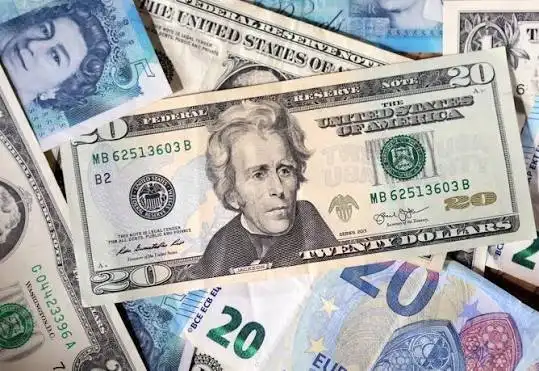
The Indian rupee declined to a one month low against the United States dollar as escalating tensions linked to the Iran conflict dampened investor confidence and pressured domestic financial markets. Currency traders cited rising oil prices and broader global uncertainty as primary factors driving the depreciation.
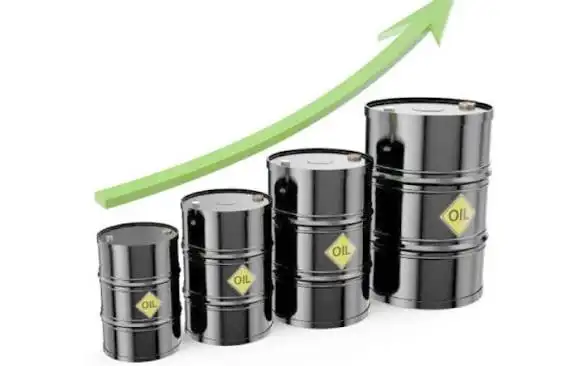
During early trading, the rupee weakened amid increased demand for the dollar, reflecting a broader shift toward safer assets in international markets. Analysts noted that India’s status as a major oil importer makes its currency particularly sensitive to fluctuations in global energy prices. With crude benchmarks rising sharply, concerns have grown about the potential impact on inflation and the country’s trade balance.
Equity markets also experienced volatility, with key indices posting losses as foreign portfolio investors trimmed exposure to emerging market assets. Market participants said the combination of geopolitical instability and higher commodity costs has reduced risk appetite, prompting capital outflows from some developing economies.
Economists observed that sustained increases in oil prices could complicate monetary policy calculations for the Reserve Bank of India. Elevated fuel costs can contribute to broader price pressures, potentially affecting consumer spending and industrial activity. While foreign exchange reserves remain substantial, authorities may monitor currency movements closely to prevent excessive volatility.
Banking and energy intensive sectors were among those facing heightened scrutiny from investors. Companies reliant on imported raw materials could see margins squeezed if currency weakness persists alongside higher global prices. At the same time, exporters may receive some limited benefit from a softer rupee, though overall market sentiment remains cautious.
Government officials emphasized that domestic economic fundamentals remain stable despite external pressures. They reiterated that India continues to pursue structural reforms aimed at strengthening resilience against global shocks. Financial institutions have also highlighted the role of diversified trade partnerships in mitigating exposure to regional instability.
Market strategists suggested that the rupee’s trajectory in the coming weeks will depend largely on developments in the Middle East and movements in oil markets. Any easing of tensions could stabilize currency flows, while further escalation may sustain pressure.
As global investors reassess risk amid the unfolding crisis, emerging market currencies, including the rupee, are likely to remain sensitive to shifts in sentiment and energy price dynamics.









Leave a comment