
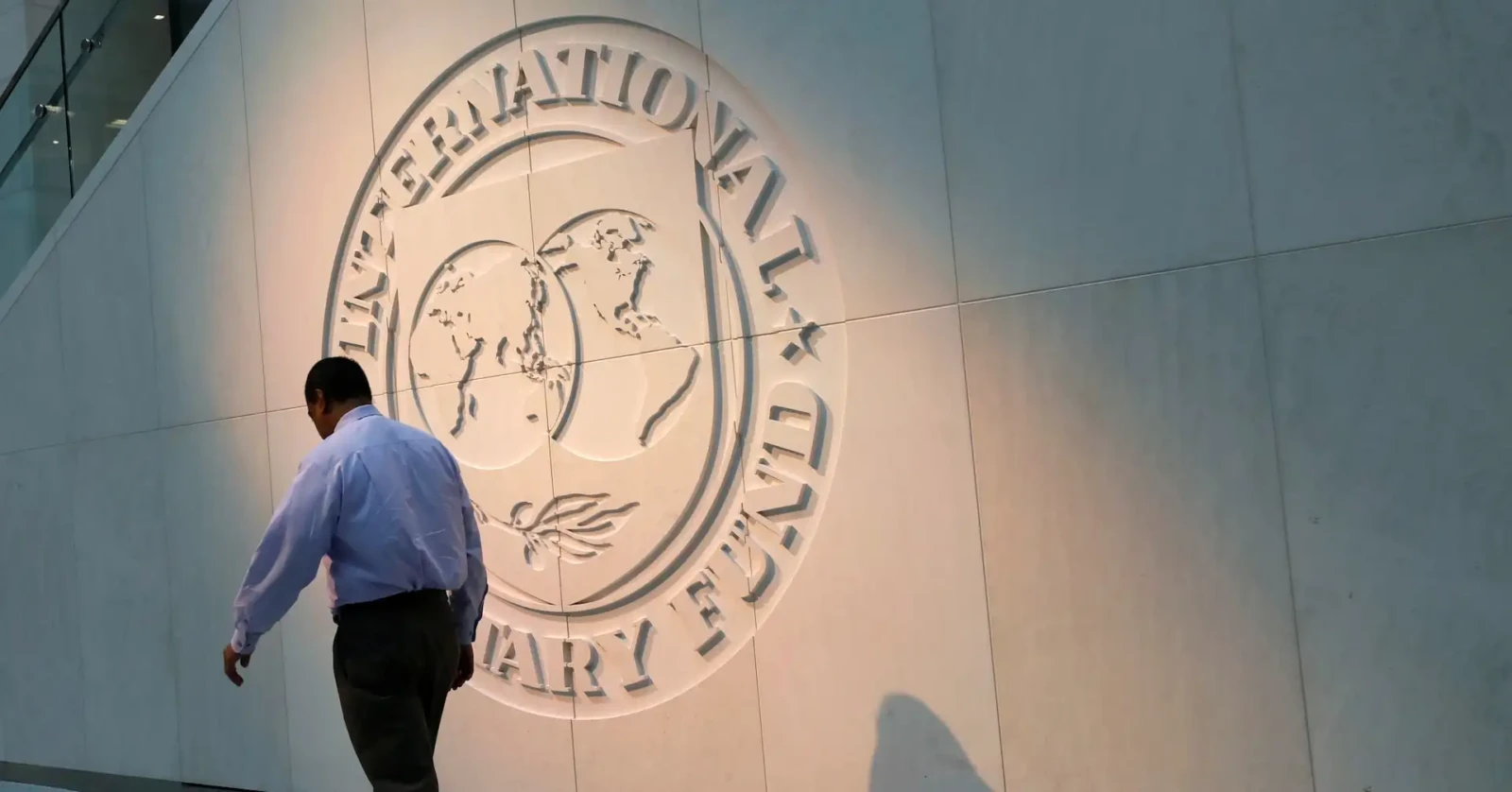
The International Monetary Fund (IMF) has finalized a staff-level agreement with Ethiopia regarding the fourth review of its $3.4 billion Extended Credit Facility (ECF) arrangement. This agreement opens the path for a $261 million disbursement, increasing the total IMF support to roughly $2.13 billion.
The IMF’s assessment acknowledges Ethiopia’s progress in its Homegrown Economic Reform (HGER) agenda, noting positive macroeconomic developments since the ECF’s inception in July 2024. Key indicators show robust growth, driven by significant outputs in gold, electricity, and agriculture. Goods exports have more than doubled, inflation rates have decreased, and government revenues have seen strong growth. The Ethiopian authorities are working on enhancing the foreign exce market, modernizing monetary policy, mobilizing fiscal revenue, and advancing financial regulations.
The IMF stresses the need to maintain reform momentum to achieve macroeconomic ility and support growth and poverty alleviation. A strict monetary policy is essential to control inflation and ensure price ility, alongside efforts to improve competition and efficiency in the foreign exce market. Additionally, prudent fiscal management and effective resource mobilization are vital for sustainability, and fostering a better business environment is crucial for attracting private investment.
Progress toward debt treatment and sustainability is ongoing. A Memorandum of Understanding concerning key debt treatment terms was elished in July 2025 between Ethiopia’s authorities and the G20 Common Framework’s Official Creditor Committee, with plans to finalize bilateral agreements with official creditors next.
The IMF team commended the Ethiopian leadership for their constructive dialogue and commitment to the economic program, highlighting successful discussions with Finance Minister Ahmed Shide, National Bank Governor Eyob Tekalign, and various private and development sector stakeholders.







Wow, $261 million released by the IMF for Ethiopias fourth review? Will this money truly benefit the people or disappear into corruption?
Wow, $261 million released for Ethiopias fourth review by the IMF. Do you think this will really help the countrys economy?
Wow, $261 million released to Ethiopia by the IMF? Do you think it will actually benefit the citizens or end up in the wrong hands?
Is this really the best use of funds for Ethiopia? How about investing in education or healthcare instead?
Wow, $261 million released to Ethiopia by IMF? Shouldnt they focus on sustainable development rather than just financial support? What do you think?
Wow, $261 million released for Ethiopias fourth review by the IMF. Do you think this will truly benefit the countrys economy? Lets discuss!
Wow, $261 million released for Ethiopias fourth review by IMF! Do you think this will really benefit the countrys economy or create dependency?
Wow, $261 million for Ethiopias fourth review? Do you think this money will actually benefit the people or just disappear into corruption? 🤔
Wow, $261 million released to Ethiopia by the IMF? Do you think this will actually benefit the country or just create more debt?