
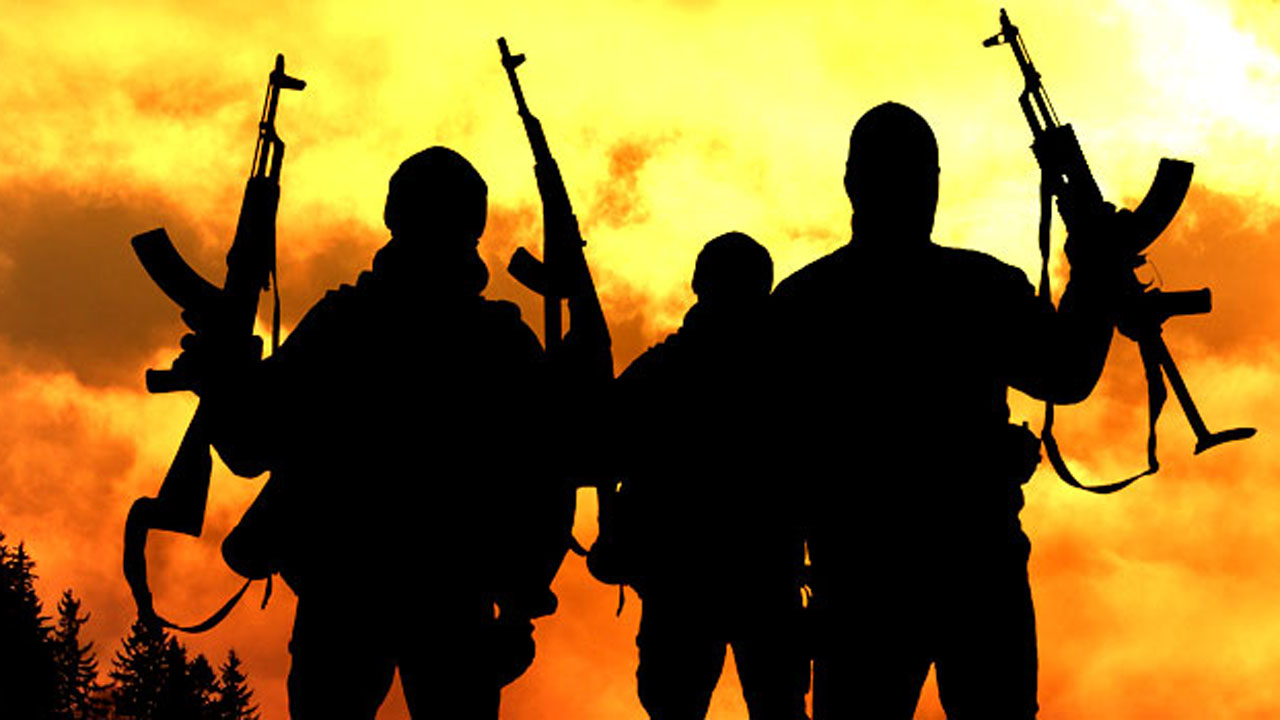
Nigeria continues to struggle with terrorism banditry and mass kidnappings across several regions leaving citizens with a troubling question. If authorities know who the terrorists are and where they hide why do the s continue.
The question has gained fresh attention following statements from prominent figures who claim the government already possesses detailed intelligence on armed groups operating across the country.
One of the most controversial claims came from Islamic cleric Abubakar Gumi who said during an interview that the government knows the identities and locations of terrorists. According to him the authorities are fully aware of where these groups operate and who leads them.
Gumi also revealed that some of his visits to bandit camps in the past were carried out under the watch of security officials. His statement sparked widespread debate among Nigerians who wondered why security forces have not eliminated the groups if their locations are known.
The issue became even more complex when Dauda Lawal publicly stated that he could identify the locations of bandit leaders within his state. In a widely circulated video he said he could track where some of the criminals move using information available to him.
Former Kaduna governor Nasir El Rufai also fueled the controversy when he alleged that bandits were once secretly paid to discourage them from ing communities although the claim was widely challenged and he was asked to provide evidence.
Security experts say the situation may be more complicated than simply identifying criminals. Intelligence and security consultant Yahuza Getzo said the crisis is influenced by regional dynamics including porous borders between Nigeria and neighbouring nations such as Niger, Benin, Cameroon and Chad.
According to Getzo the real problem may be whether available intelligence is being effectively used. He argued that equipment and information alone are not enough without accountability and proper coordination among security agencies.
Military veteran Bishop Johnson also said Nigeria’s response to terrorism has largely been reactive rather than strategic. He warned that criminal networks are increasingly driven by illegal mining kidnapping for ransom and other underground economic activities.
Another security expert Tony Ofoyetan explained that terrorism often operates through hidden sleeper networks that take years to develop. These networks gather intelligence within communities before launching s making them difficult to dismantle quickly.
Retired naval officer son Olisemelor added that the activities of bandits are often visible to local communities traditional leaders and even security agencies yet decisive action sometimes appears slow or inconsistent.
Meanwhile some serving officers who spoke anonymously raised concerns that intelligence leaks and political interests may be complicating military operations. They warned that the presence of former militants within certain structures could create vulnerabilities within the system.
Across northern Nigeria the human cost of the crisis continues to grow. Villages have been abandoned schools closed and farms left uncultivated as residents flee repeated s.
For many Nigerians the most painful reality is the lingering uncertainty about whether the violence persists because authorities lack the capacity to stop it or because deeper structural and political problems are preventing decisive action.
Until that question is answered the fear experienced by families travellers and rural communities across the country is likely to remain a defining feature of everyday life.











Leave a comment