
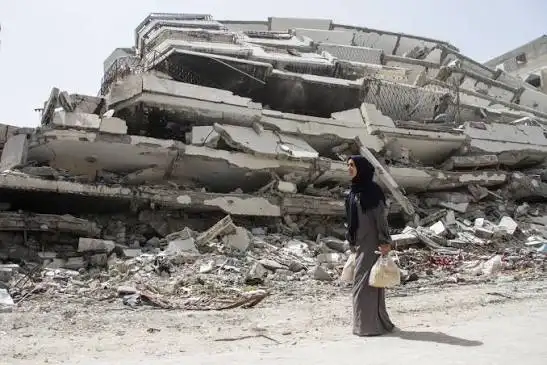
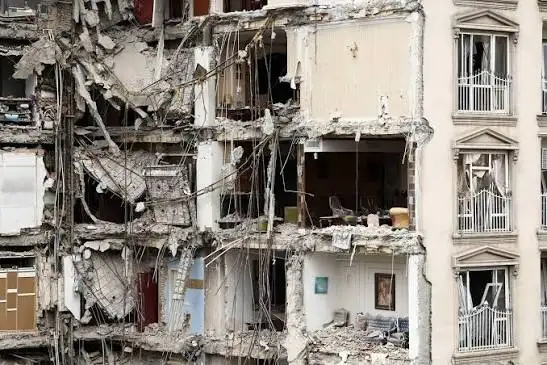
The ongoing conflict in the Middle East has intensified a humanitarian crisis, leaving thousands displaced and communities struggling to access basic services. Widespread destruction of homes, public facilities, and infrastructure has forced families to seek shelter in temporary accommodations, while aid organizations work to provide food, water, and medical care amid increasingly challenging conditions across affected regions.
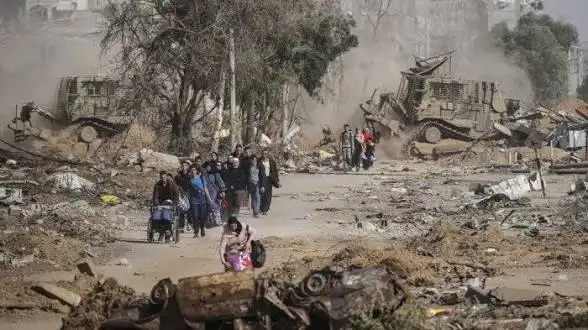
Humanitarian agencies report that the displacement of civilians is straining local resources and shelter capacity. Overcrowding in temporary camps and host communities has created additional challenges, including sanitation concerns and limited access to healthcare. Relief workers are coordinating distribution of essential items, yet logistical obstacles and damaged transportation networks complicate timely delivery to those most in need.
Children and vulnerable populations are facing particularly severe impacts. Interrupted schooling, limited access to healthcare, and psychological trauma are prevalent in areas affected by violence. Humanitarian groups emphasize the need for protective measures to address the immediate safety and emotional wellbeing of displaced populations while ensuring continued access to education and essential services.
Medical facilities are under pressure as casualties rise and existing health systems struggle to cope. Emergency response teams have mobilized, but shortages of personnel, equipment, and supplies hinder capacity to treat both conflict related injuries and pre existing health conditions. Coordinated international assistance is critical to prevent further deterioration of health outcomes in affected areas.
Food security is increasingly fragile, with supply chains disrupted by conflict and infrastructure damage. Aid organizations are expanding distributions of essential commodities, yet accessibility challenges remain for remote and high risk areas. Efforts focus on providing both immediate relief and longer term strategies to support community resilience against ongoing disruptions.
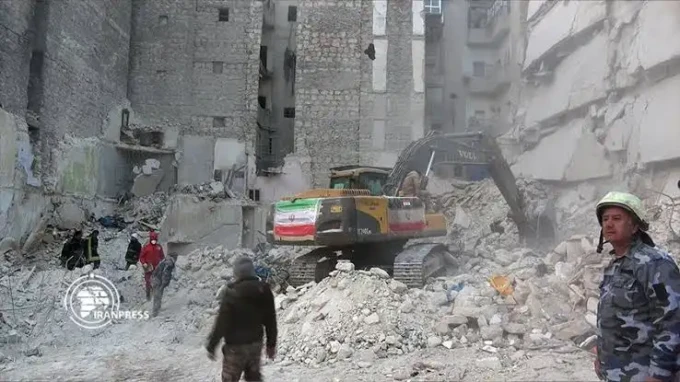
Local authorities and international partners are working together to assess damage and prioritize relief operations. Coordination is essential to ensure that resources are efficiently allocated and that displaced populations receive timely support. Despite ongoing challenges, continued collaboration is viewed as vital for addressing urgent humanitarian needs across multiple conflict affected regions.
The humanitarian crisis highlights the urgency of sustained international engagement and protection of civilians. Aid agencies stress that immediate intervention must be paired with long term planning to rebuild communities, restore essential services, and mitigate the broader social and economic consequences of prolonged conflict. The situation remains fluid, with ongoing assessments guiding relief efforts.





Leave a comment