
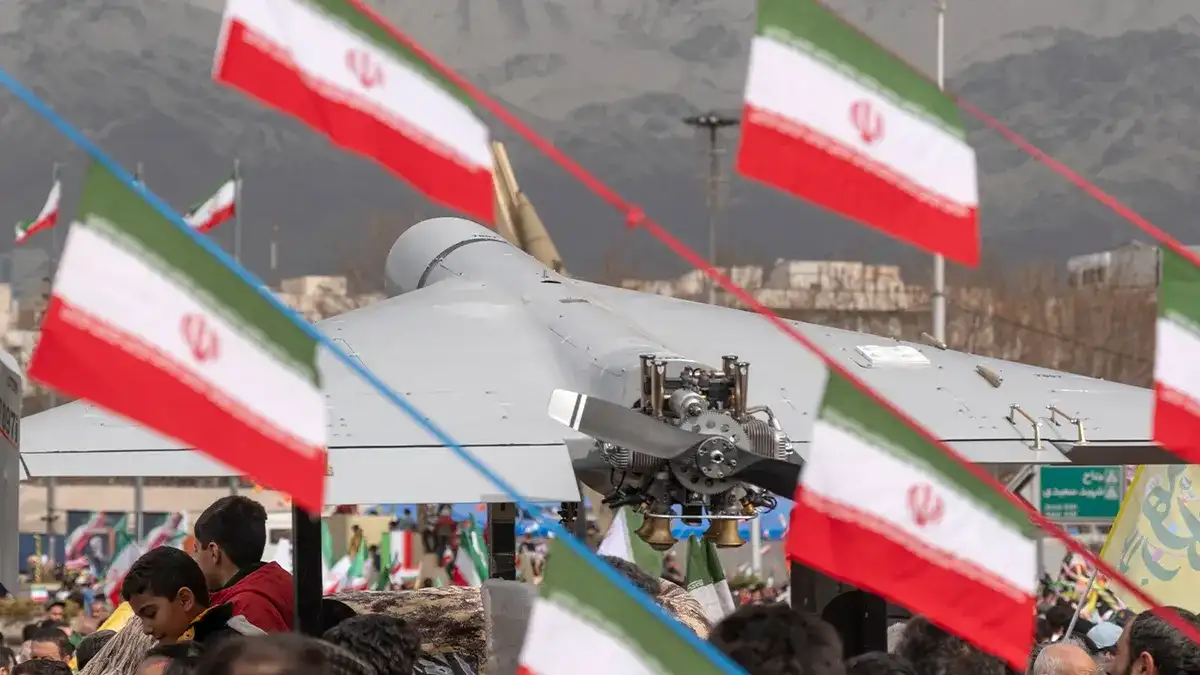
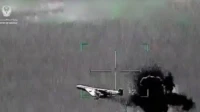
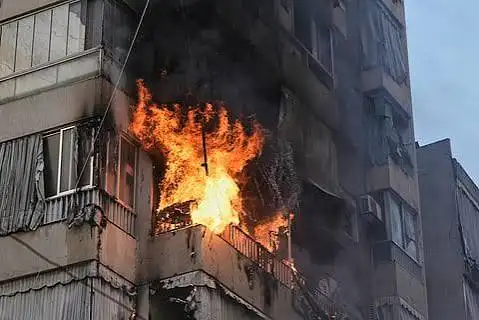
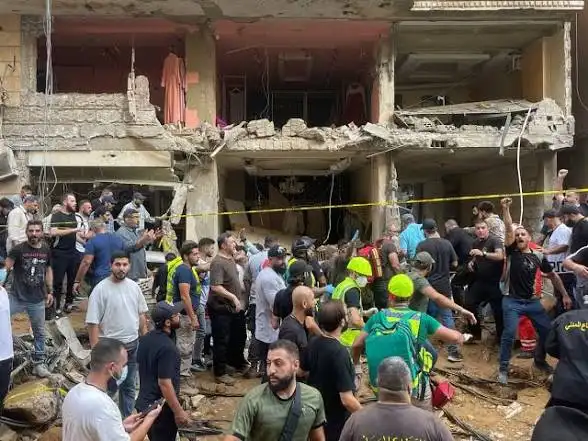
Gulf states reported successful interceptions of incoming Iranian missiles and drones as regional hostilities extended beyond primary conflict zones. Defense authorities described coordinated air defense responses designed to protect population centers, energy facilities, and transport corridors. The incidents prompted heightened alert levels, intensified surveillance, and renewed diplomatic engagement aimed at preventing broader confrontation across interconnected security environments regionally.
Military spokespersons in Saudi Arabia and the United Arab Emirates said radar networks detected multiple aerial objects approaching strategic areas. Interceptor systems were activated under joint command protocols, with officials citing high readiness and interoperability. Authorities emphasized civilian safety and continuity of services while investigations assess trajectories, debris zones, and operational lessons for future contingencies planning and coordination.
Officials in Saudi Arabia and the United Arab Emirates coordinated closely with regional partners to share tracking data and airspace management updates. Statements referenced evolving assessments related to Iran, underscoring deterrence objectives and adherence to international law while maintaining defensive postures across maritime and inland domains with continuous monitoring and integrated command frameworks active nationwide today and abroad.
Regional aviation authorities issued advisories to carriers, adjusting flight paths and scheduling to reduce risk exposure. Port operators reviewed maritime guidance as naval patrols increased presence near critical sea lanes. Emergency management agencies conducted drills and public communication campaigns, reinforcing shelter protocols and verifying infrastructure resilience across utilities, telecommunications, and transport networks serving major population centers nationwide effectively.
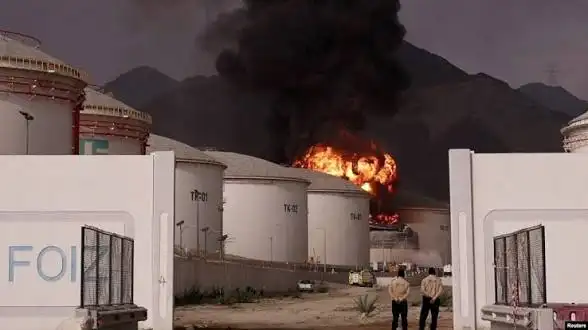
Energy ministries assessed implications for production continuity and export logistics, given the concentration of facilities along vulnerable corridors. Industry stakeholders examined insurance provisions, redundancy planning, and supply chain flexibility. Analysts said coordinated defenses may reassure markets, though sustained uncertainty could influence pricing, investment timing, and long term contract negotiations among producers and consumers across global commodity systems today.
Diplomatic channels remained active as envoys exced briefings and explored deescalation options. Several governments reiterated support for confidence building measures, transparency, and crisis communication mechanisms. Policy experts highlighted the value of multilateral forums in reducing miscalculation risks, facilitating technical dialogue, and aligning defensive actions with international norms and cooperative security principles across regional institutions and partnerships worldwide today.
Civil society organizations encouraged preparedness while cautioning against misinformation that can amplify tensions. Researchers called for data driven assessments and independent verification of claims circulating online. As monitoring continues, authorities face pressure to sustain protective measures, preserve economic ility, and maintain open communication with citizens navigating a complex and evolving security landscape across the wider region today responsibly.





Leave a comment