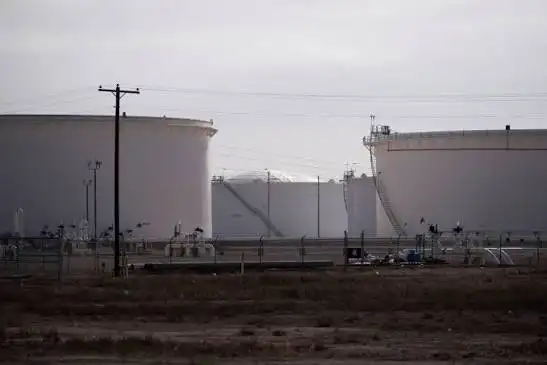
Governments across multiple regions are evaluating coordinated releases from strategic fuel reserves as energy supply pressures intensify and prices remain elevated. Senior officials say contingency frameworks allow controlled drawdowns to ilize markets, protect essential services, and reassure consumers. The discussions reflect mounting concern that prolonged disruptions could strain transport networks, manufacturing output, and household budgets worldwide today broadly.
Energy ministries consulted with the International Energy Agency and counterparts in the United States, Japan, and Germany on timing and scale. Officials reviewed stockpile levels, distribution logistics, refinery readiness, and legal authorities governing releases, aiming to synchronize actions that limit volatility while preserving emergency buffers for unforeseen shocks across major importing and exporting economies worldwide today together carefully.
Market participants said credible coordination could temper speculative trading and narrow price swings. Analysts noted previous reserve drawdowns improved supply visibility and buying confidence, though effects varied by region. Shipping capacity, storage constraints, and refinery maintenance schedules remain critical variables. Retail fuel distributors requested clear allocation guidelines to prevent bottlenecks and ensure equitable access nationwide for consumers everywhere.
Finance officials weighed fiscal implications, including opportunity costs of depleting inventories and replenishment expenses under elevated prices. Some governments explored temporary tax adjustments and targeted subsis to complement reserve releases. Industry groups emphasized transparent communication to anchor expectations and discourage panic buying, while consumer advocates prioritized affordability and protections for low income households and small businesses nationwide too.
Energy companies provided operational briefings on terminal throughput, pipeline capacity, and blending requirements. Coordinated scheduling was highlighted to avoid congestion at ports and depots. Regulators discussed quality standards and reporting obligations to maintain market integrity. Logistics firms assessed trucking availability and rail options to support inland distribution during potential demand surges across multiple regions and corridors today nationwide.
Environmental agencies cautioned that reserve use should align with emissions goals and efficiency strategies. Policymakers debated balancing immediate relief with long term transition plans, including renewables investment and electrification initiatives. Academic experts advised scenario planning to manage uncertainty, recommending data transparency and cross border coordination to strengthen resilience across interconnected energy systems for future shocks and disruptions globally.
Final decisions are expected after further consultations among cabinet members and regional authorities. Officials signaled readiness to act swiftly if conditions worsen, emphasizing proportional releases and continuous monitoring. Investors welcomed structured planning but sought clarity on triggers and timelines. Consumers await measures intended to moderate prices and secure reliable supply for essential activities across communities nationwide and abroad.











Leave a comment