
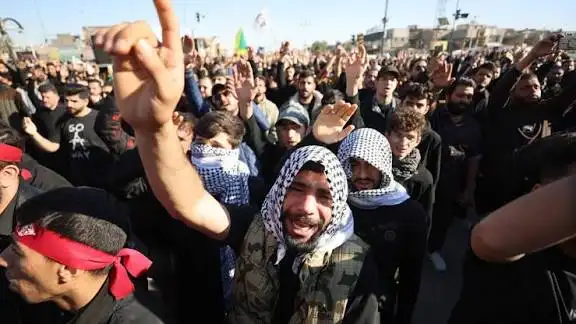
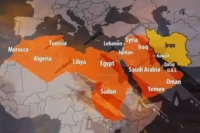
Governments around the world are warning of the growing risk of wider inility in the Middle East as military s and security incidents spread beyond the original confrontation between Israel and Iran. Officials and diplomatic representatives say the expanding geographic scope of missile strikes, drone activity, and military operations is raising fears that more countries could become directly involved in the crisis.
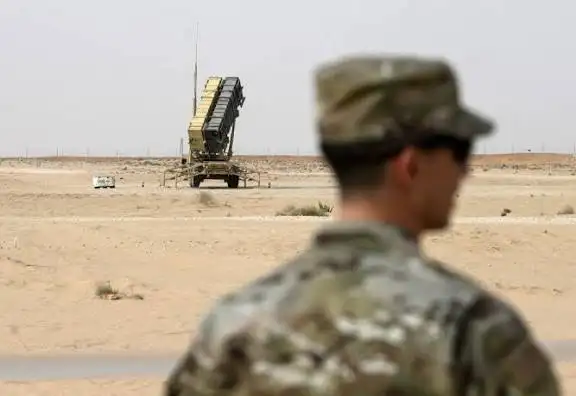
In recent days several Gulf states have reported aerial threats, including missiles and drones approaching or entering their airspace. Defense forces in multiple countries have activated interception systems in response to the incidents, while emergency services have been placed on high alert in case of damage or casualties. These developments have intensified concerns that the conflict could transform into a broader regional confrontation involving several nations.
Foreign ministries across Europe, Asia, and North America have issued updated security advisories reflecting the heightened level of risk. Governments have warned their citizens about potential dangers associated with travel to parts of the Middle East and have urged those already in the region to closely monitor official guidance. Some countries have also begun preparing contingency plans for evacuation operations should the situation deteriorate further.
Diplomatic officials say the spread of s across different parts of the region highlights the fragile nature of the Middle East security environment. The area has long been shaped by complex alliances, rivalries, and political tensions. When military confrontations intensify between major regional actors, those dynamics can quickly draw in neighboring countries or armed groups that operate across national borders.
Security experts note that the involvement of missile and drone technology increases the likelihood that conflict can extend far beyond the immediate battlefield. Modern long range weapons allow targets to be struck hundreds or even thousands of kilometers away. As a result infrastructure, military bases, and urban centers across a wide geographic area can become vulnerable during periods of heightened confrontation.
International organizations and diplomatic forums have begun discussing ways to reduce tensions and prevent further escalation. Calls for restraint have come from a wide range of governments that fear the humanitarian and economic consequences of a prolonged regional conflict. The Middle East remains a critical hub for global energy production and international trade routes, meaning inility in the region can have global repercussions.
Financial markets and energy analysts are also watching the situation closely. Rising geopolitical risk in the Middle East has historically affected oil prices, shipping routes, and investment decisions. Even the possibility of broader inility can influence economic activity as companies and governments reassess their exposure to regional risks.
Officials say that diplomatic engagement will be crucial in the coming days and weeks. Several countries are working through international channels to encourage dialogue and reduce the likelihood of further military escalation. However analysts caution that once s begin to spread across multiple countries, controlling the pace of events becomes increasingly difficult.
As governments continue to monitor developments, the warning of wider inility serves as a reminder of how quickly regional conflicts can evolve into larger crises. The coming period will likely be critical in determining whether diplomatic efforts can contain the situation or whether the Middle East will face an extended period of heightened tension and uncertainty.






Leave a comment