
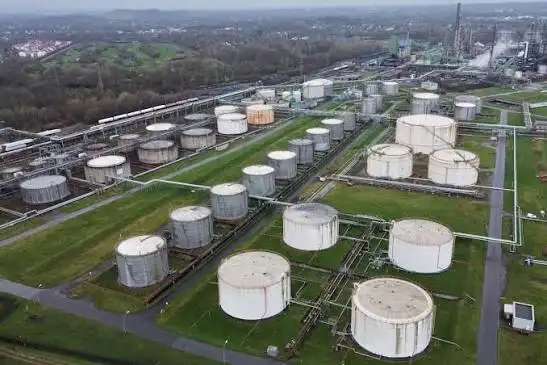
Governments across several major economies have begun releasing emergency oil reserves in an effort to calm global energy markets as tensions in the Middle East disrupt key supply routes. Officials say the coordinated move is designed to prevent sudden shortages and reduce pressure on fuel prices that have surged in response to the widening regional conflict. Strategic reserves maintained by many countries are intended precisely for moments when global supply faces serious disruption.
Energy authorities confirmed that portions of national petroleum reserves are being made available to refineries and commercial distributors to maintain steady fuel supplies. These reserves are typically stored in large underground facilities or protected storage sites and are kept for situations that threaten normal market operations. By releasing part of these stockpiles, governments hope to offset the decline in shipments moving through critical maritime corridors in the Gulf region.
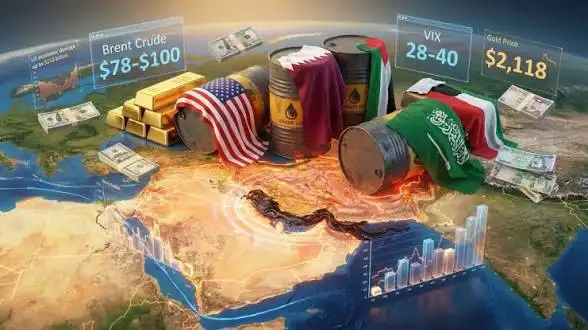
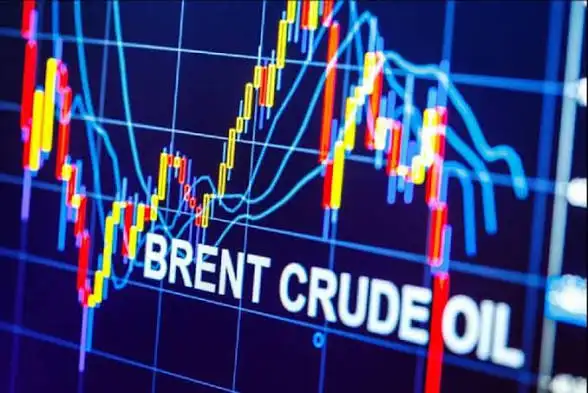
Market analysts say the decision reflects the seriousness of the current supply risk. A large share of the world’s oil normally travels through strategic waterways that have recently experienced significant security concerns. The slowdown in tanker movement has tightened supply expectations and contributed to rapid price increases. By introducing additional oil from strategic reserves, policy makers aim to provide temporary relief while broader diplomatic and security efforts continue.
Economic officials have emphasized that the release of emergency reserves is intended as a ilizing measure rather than a long term solution. Strategic stockpiles can help bridge temporary supply gaps, but they are limited resources designed to be used carefully. Governments will continue monitoring market conditions to determine whether additional releases may be required if disruptions persist.
Energy experts note that the coordinated response highlights the interconnected nature of global energy markets. Decisions taken by a few major economies can influence prices and supply availability worldwide. While the release of reserves may help moderate immediate pressure on fuel markets, analysts say long term ility will ultimately depend on restoring secure shipping routes and maintaining reliable production levels across key energy producing regions.







Leave a comment