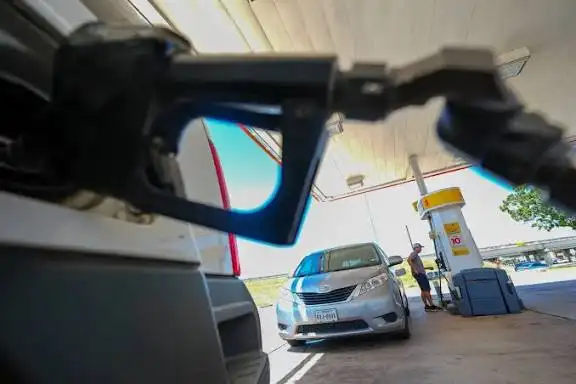
Governments across the world are moving quickly to protect their economies as energy costs climb sharply following disruptions linked to the ongoing war in the Middle East. The sudden rise in oil prices has prompted urgent meetings among policy makers who are assessing the possible consequences for inflation, consumer spending, and industrial production. Officials in several countries have warned that sustained increases in fuel costs could place significant pressure on both businesses and households if measures are not taken to cushion the impact.
Finance ministries and central banks in major economies are reviewing a range of policy options aimed at ilizing domestic markets. Some governments are considering temporary tax adjustments on fuel while others are examining targeted subsis for transportation and energy intensive industries. Economic advisers say these steps are intended to prevent a rapid rise in living costs that could slow economic activity. In many countries political leaders are also discussing ways to strengthen strategic fuel reserves to ensure that supply remains steady during periods of disruption.
The global energy market plays a central role in economic planning because fuel prices influence nearly every sector of modern economies. When oil becomes more expensive the cost of moving goods, generating electricity, and manufacturing products often increases as well. This chain reaction can spread quickly across supply networks, ultimately leading to higher prices for everyday items. Governments are therefore attempting to act early in order to limit the potential for a broader inflationary surge that could undermine economic recovery efforts.
International cooperation is also emerging as an important element of the response. Economic officials from several major countries have begun consultations about coordinated actions that could help calm energy markets. These discussions include the possibility of releasing strategic reserves, increasing alternative energy production, and encouraging energy conservation measures. Policy makers believe that collective steps may reduce panic in financial markets while signaling that governments are prepared to respond decisively to the challenge.
Despite these efforts analysts caution that the situation remains uncertain as long as tensions in the Middle East continue to affect global supply routes. Economic planners acknowledge that policy tools can soften the immediate impact but cannot fully eliminate the influence of rising energy costs. For now governments remain focused on maintaining financial ility and protecting vulnerable sectors while monitoring developments in the conflict that triggered the surge in oil prices.









Leave a comment