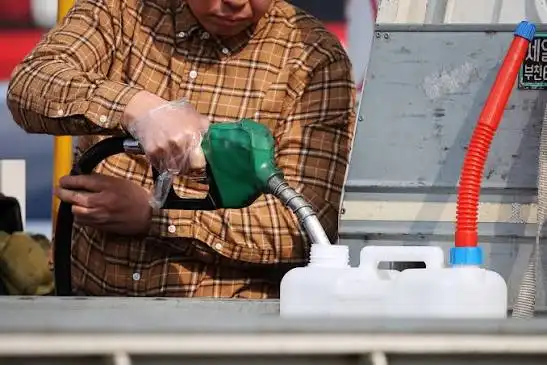
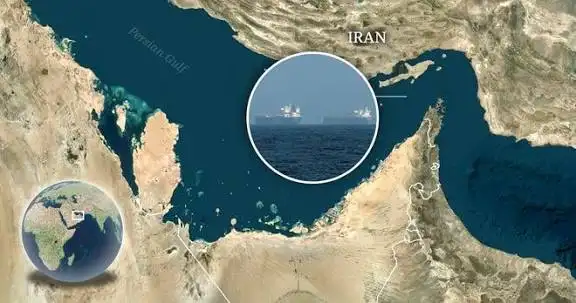
Governments around the world are examining emergency measures designed to ilize fuel supplies as energy markets react to the ongoing Middle East crisis. Rising oil prices and uncertainty surrounding key supply routes have prompted policymakers to consider a range of strategies intended to prevent disruptions to domestic fuel availability. Officials say the goal is to protect economic ility while ensuring that essential sectors such as transportation, agriculture, and emergency services continue operating without interruption.
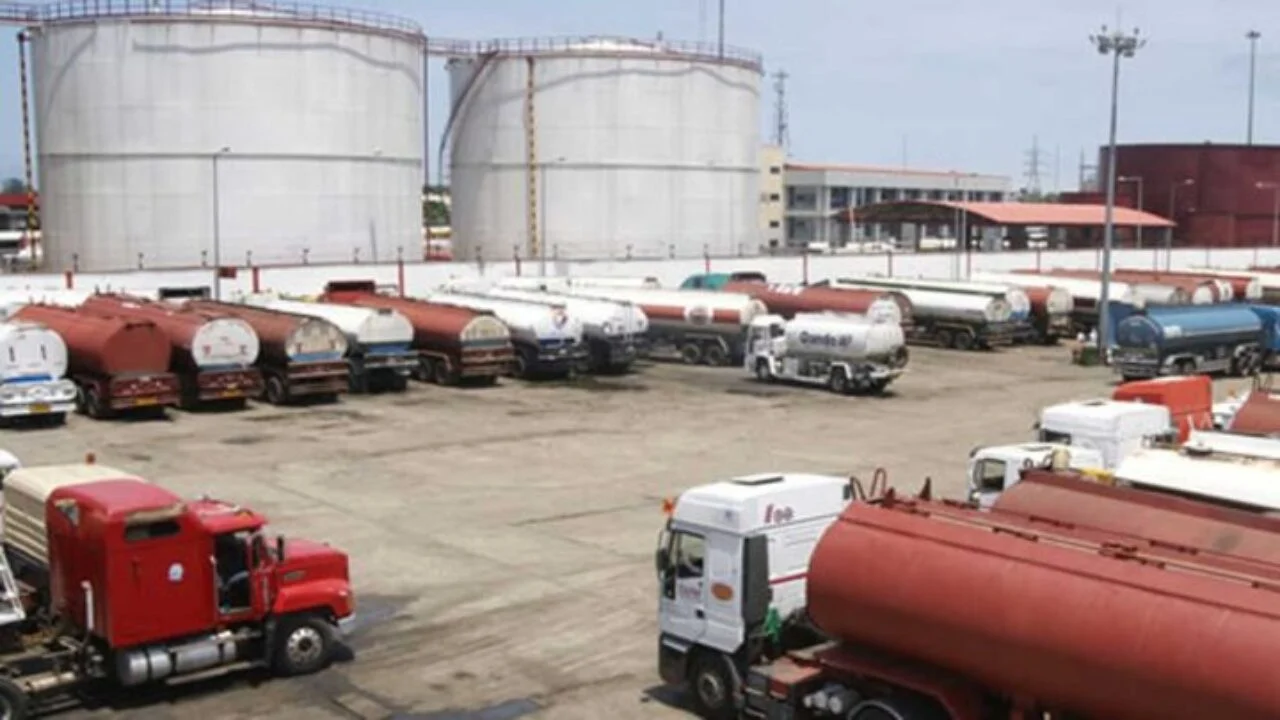
Energy ministries in several countries are reviewing the possible release of strategic petroleum reserves to offset potential supply shortages. These reserves are maintained specifically for periods of market disruption and can provide temporary relief when international fuel supplies become uncertain. Authorities are also coordinating with energy companies to assess storage levels and ensure that distribution networks remain capable of meeting national demand.
In addition to supply measures, governments are discussing policies aimed at reducing fuel consumption during periods of market strain. Public campaigns encouraging energy conservation are being introduced in some regions, along with initiatives designed to improve efficiency in transportation and industry. These efforts are intended to slow demand growth while international markets remain volatile.
Economic analysts say such emergency responses are common when geopolitical events threaten global energy supply. Because oil plays a central role in transportation and manufacturing, fluctuations in fuel availability can quickly influence economic activity. Policymakers therefore aim to act early to prevent sudden shortages or price surges that could affect households and businesses.
International coordination is also being discussed among major energy consuming nations. Governments are sharing information about supply levels and market developments while exploring cooperative responses that could ilize global energy markets. As the situation in the Middle East continues to evolve, energy security remains a central concern for countries seeking to protect their economies from prolonged fuel uncertainty.








Leave a comment