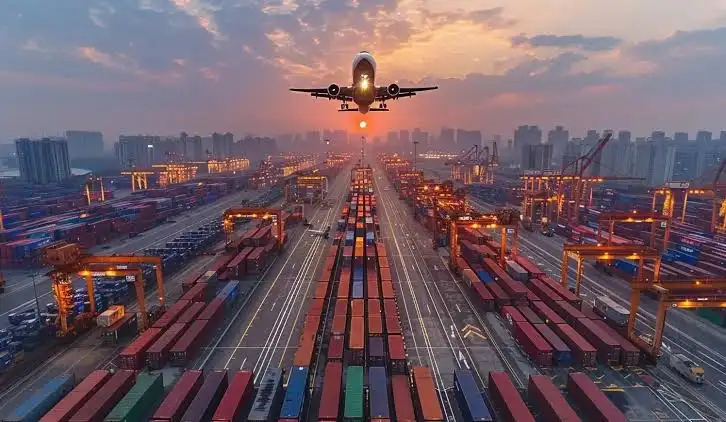
Global supply chains are coming under increasing pressure as security risks linked to the Middle East war create uncertainty along several major shipping routes. Businesses and logistics companies are closely monitoring developments in the region as the conflict involving Iran and Israel raises concerns about the ility of maritime corridors that support international trade.
Shipping companies transporting goods through the Gulf region have begun reassessing their operations as tensions remain high. Maritime authorities have issued advisories urging vessels to remain cautious while navigating strategic waterways such as the Strait of Hormuz. The route serves as a vital link for oil shipments as well as cargo traveling between Asia, Europe and other global markets.
Logistics experts say that even the perception of danger along key transport routes can create ripple effects throughout global supply networks. Shipping firms may decide to slow operations, delay departures or reroute vessels to reduce potential risks. These decisions can extend delivery times and increase costs for companies that depend on reliable transportation of goods and raw materials.
Manufacturers and retailers around the world are already evaluating how possible shipping delays could affect their supply planning. Industries that rely on tightly coordinated delivery schedules may be particularly exposed to disruptions. Companies could face challenges maintaining inventory levels if shipments are delayed or if transport costs continue to rise due to heightened security concerns.
Economists note that the ility of global supply chains has become increasingly important in an interconnected world economy. Prolonged disruptions to shipping routes could influence production, trade and consumer prices in multiple regions. As the Middle East conflict continues to evolve, governments and businesses alike are watching closely to see whether key maritime corridors remain open and secure.











Leave a comment