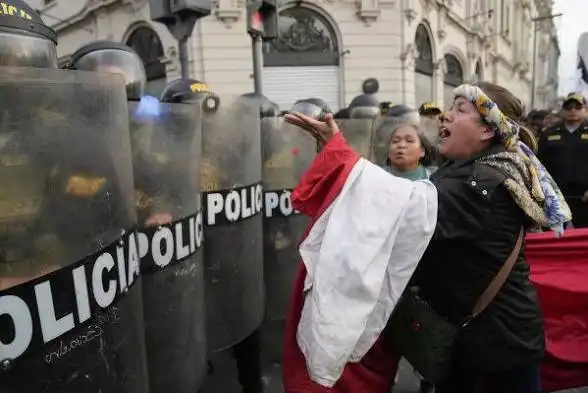
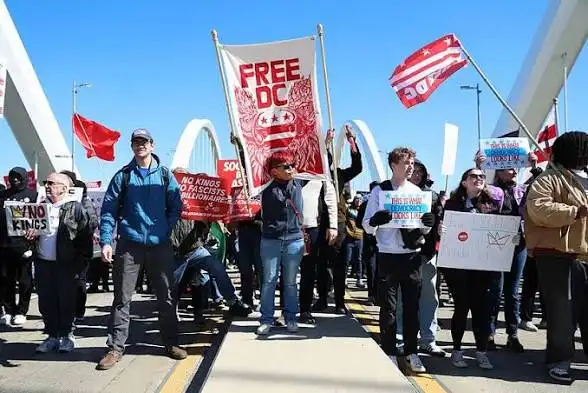
Millions of demonstrators gathered across the United States and in cities worldwide to voice opposition to government policies and the growing involvement in the Iran conflict. Organizers described the coordinated movement as one of the largest public mobilizations in recent years, reflecting widespread concern about economic pressures, civil liberties, and international decision making for many communities across regions.
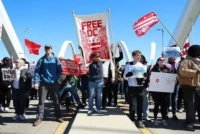
Protesters filled major streets carrying banners and chanting slogans that criticized leadership decisions and called for accountability. Many participants expressed frustration with rising living costs and perceived disconnect between policymakers and ordinary citizens. Demonstrations remained largely peaceful, though authorities in several locations increased security presence to manage large crowds and ensure public order throughout the gatherings.
Activist groups said the movement aimed to unify diverse concerns under a shared message opposing concentrated political power and foreign policy direction. Social media platforms played a significant role in organizing events, enabling rapid coordination across borders. Analysts noted that digital networks have strengthened the ability of grassroots campaigns to gain international visibility and sustained momentum.
In several cities, speakers addressed crowds highlighting the intersection of economic hardship and foreign policy priorities. Labor representatives, student leaders, and civil rights advocates joined together, emphasizing the need for reforms that address inequality and transparency. Observers reported that the broad coalition reflected a shift toward more inclusive protest movements with interconnected demands.
Government officials acknowledged the demonstrations while urging calm and emphasizing the importance of democratic processes. Some leaders defended current policies as necessary for national security and long term strategic interests. Others signaled openness to dialogue, suggesting that public sentiment could influence future discussions on both domestic priorities and international engagement decisions.
Internationally, solidarity protests mirrored themes seen in the United States, with participants calling for restraint and diplomatic solutions. In several countries, demonstrations highlighted shared concerns about economic uncertainty and global security challenges. Experts said the synchronized nature of the protests illustrated how interconnected political issues have become in an increasingly globalized environment.
As the movement continues, analysts will closely monitor its impact on political discourse and policy direction. While immediate ces remain uncertain, the scale and coordination of the protests suggest a significant moment in civic engagement. Observers believe the demonstrations could shape upcoming debates on governance, economic policy, and international relations in meaningful ways.





Leave a comment