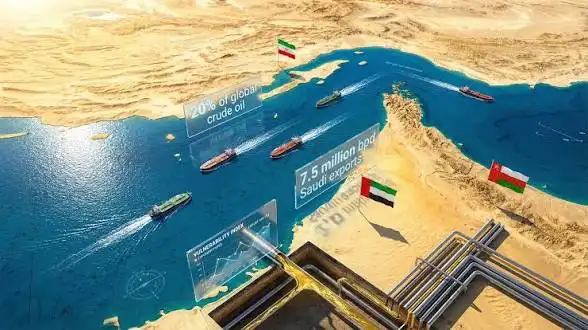
Global energy markets are bracing for a significant reduction in oil supply as tensions surrounding the Strait of Hormuz continue to disrupt one of the world’s most critical maritime corridors. Energy analysts warn that the ongoing security crisis in the region is beginning to affect the steady flow of crude oil shipments that many economies depend upon. With uncertainty growing across global markets, governments and industry leaders are increasingly concerned about how long the disruption could last.
The Strait of Hormuz serves as a vital gateway connecting major oil producing countries in the Gulf to international markets. A substantial share of global crude exports normally travels through this narrow passage each day. Recent security incidents and threats to commercial shipping have caused many tanker operators to reduce or delay voyages through the area, sharply limiting the volume of oil reaching global markets.
Energy companies and shipping firms are now weighing the risks associated with operating in the region. Several operators have begun exploring alternative routes or temporary storage strategies while waiting for security conditions to improve. However, experts note that there are few realistic alternatives capable of replacing the enormous volume of oil that typically flows through the strait, making any sustained disruption particularly challenging for global supply chains.
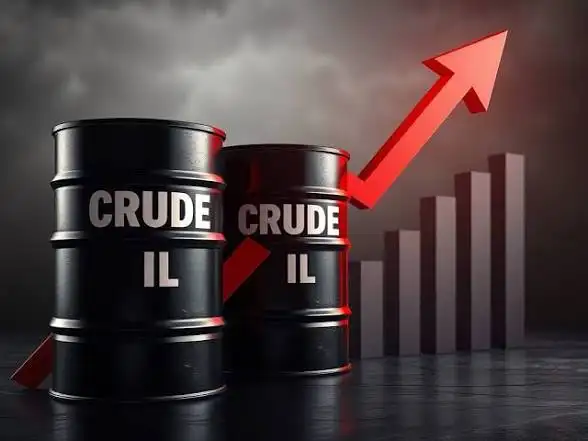
The expected drop in supply has already begun influencing energy prices and economic forecasts worldwide. Analysts say that reduced shipments could tighten inventories across major importing nations, potentially raising fuel costs for industries and consumers alike. Governments are also closely monitoring the situation because higher energy prices often lead to broader inflationary pressures within national economies.
Policy makers and international organizations are now discussing coordinated responses aimed at limiting the economic impact of the crisis. Possible measures include releasing emergency oil reserves and increasing production in regions outside the Middle East. Despite these discussions, energy specialists emphasize that restoring normal shipping activity through the Strait of Hormuz will remain the most important factor in ilizing global oil supply and preventing further disruption to international markets.











Leave a comment