
Global oil markets have surged dramatically, with benchmark crude prices rising above one hundred dollars per barrel as escalating tensions in the Middle East disrupt supply expectations. Traders and analysts point to growing uncertainty surrounding key shipping routes and production hubs, which has intensified concerns about the availability of energy resources in both the short and medium term for global economies.
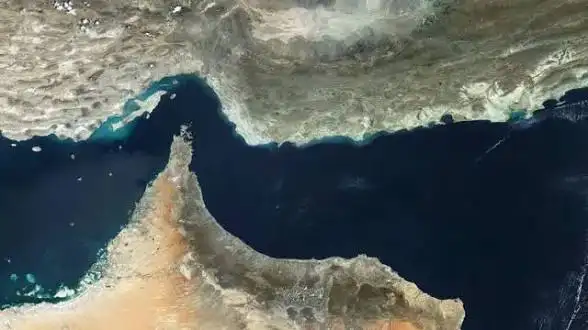
A central factor driving the surge is the uncertainty surrounding the Strait of Hormuz, a critical passage through which a significant portion of the world’s oil supply flows daily. Any disruption in this corridor has immediate consequences for global markets, prompting rapid price adjustments and heightened volatility across energy trading platforms and financial systems worldwide in recent hours.
Energy companies and shipping operators are already adjusting their strategies in response to the shifting landscape. Some firms have begun rerouting vessels or delaying shipments, while insurers are reassessing risk premiums for operations in affected regions. These developments contribute to rising costs throughout the supply chain, which may ultimately be passed on to consumers in the form of higher fuel and energy prices globally.
Governments are also responding to the situation, with several considering the release of strategic petroleum reserves to ilize markets and mitigate potential shortages. Policymakers face the challenge of balancing immediate economic pressures with longer term energy security goals, particularly as the current environment underscores vulnerabilities in global supply networks that depend heavily on a limited number of critical transit points.
Financial markets have reacted sharply to the price increase, with investors closely monitoring energy related stocks and broader economic indicators. Rising oil prices are often associated with inflationary pressures, which can influence central bank policies and consumer spending patterns. Economists warn that sustained high prices could slow economic growth and complicate recovery efforts in various regions around the world.
Industries that rely heavily on fuel, including aviation, manufacturing, and transportation, are particularly exposed to the current surge. Companies in these sectors may face increased operational costs, forcing them to adjust pricing strategies or absorb losses. This ripple effect highlights how energy market shifts can quickly extend beyond producers and traders to impact a wide range of economic activities.
As tensions continue to evolve, market participants remain focused on potential developments that could either ilize or further disrupt supply conditions. The trajectory of oil prices will likely depend on diplomatic outcomes, military activity, and the resilience of global supply chains, making the current situation one of the most closely watched developments in the international economic landscape today.












Leave a comment