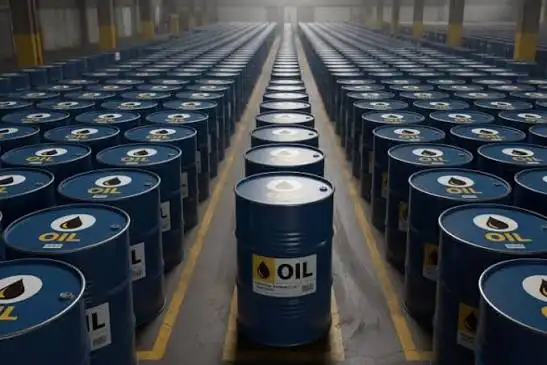
Global energy markets have entered a period of renewed volatility as crude oil prices surged beyond one hundred dollars per barrel following escalating tensions across the Persian Gulf. Traders and analysts say the sharp rise reflects growing concern that disruptions to shipping near the Strait of Hormuz could significantly reduce the flow of oil from some of the world’s largest producers. The sudden jump in prices has sent shockwaves through financial markets and raised fears that a new energy shock could ripple through the global economy.
Energy analysts note that the Strait of Hormuz plays a crucial role in the international oil trade, serving as a narrow maritime passage through which a substantial portion of the world’s petroleum supply travels each day. When security conditions in the region deteriorate, markets respond quickly due to the potential for immediate supply disruptions. Reports of incidents involving commercial vessels in the surrounding waters have heightened anxiety among traders who fear that further military activity could interrupt tanker movements and delay shipments to major importing countries.
Financial markets around the world reacted swiftly to the surge in energy prices. Shares of transportation companies and industries heavily dependent on fuel costs experienced declines as investors reassessed potential operating expenses. Airlines, shipping companies, and manufacturing firms are among those expected to feel the greatest pressure if energy costs remain elevated for an extended period. At the same time, energy producers and exploration companies have seen increased investor interest as higher prices could boost their revenues.
Economists warn that sustained increases in oil prices could complicate the global fight against inflation. Many central banks have spent recent years attempting to ilize prices after periods of economic turbulence, and a major energy spike could place new pressure on policymakers. Higher fuel costs typically translate into increased transportation expenses, which can gradually raise the price of goods and services throughout the economy. Governments are therefore monitoring the situation closely as they weigh potential responses.
Despite the surge, some market observers caution that prices may continue to fluctuate as new information emerges from the region. The outlook for oil markets now depends heavily on how the security situation in the Gulf evolves and whether shipping operations can continue safely. For now the rapid climb above the one hundred dollar threshold has underscored the deep connection between geopolitical developments and global energy markets, reminding investors and policymakers alike that ility in key transport corridors remains vital for the world economy.













Leave a comment