
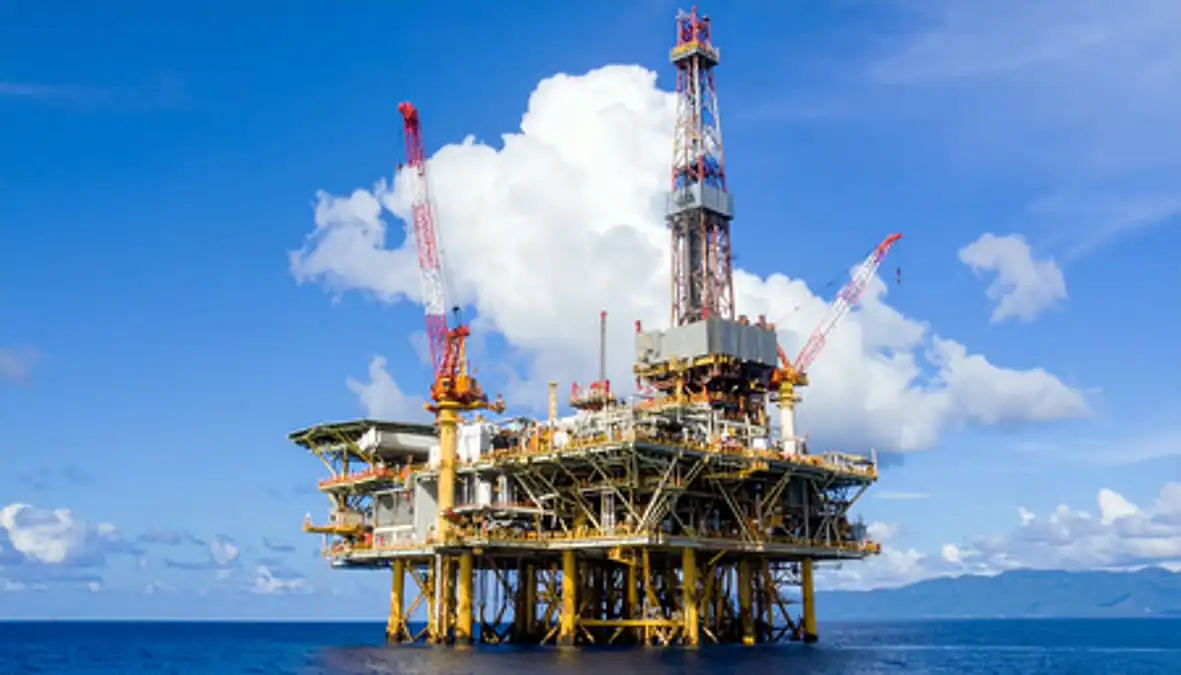
Global oil prices have surged past ninety dollars per barrel as escalating tensions in the Middle East raise concerns about potential disruptions to energy supplies. The ongoing war involving Iran and Israel has heightened uncertainty in international markets, prompting traders to react quickly to any development that could affect oil production or transportation routes.
Energy analysts say the Middle East plays a central role in global oil supply, making the region particularly sensitive to geopolitical inility. As reports of continued military operations and security alerts emerge, investors have increasingly priced in the possibility of supply interruptions. This reaction has driven crude oil benchmarks higher across major global exces.
Market volatility has been especially noticeable in recent trading sessions. Oil futures have experienced rapid price swings as traders evaluate conflicting signals from the region. Some analysts believe that even the perception of risk around major shipping routes such as the Strait of Hormuz can push prices higher because a significant portion of the world’s crude oil passes through the narrow waterway.
The increase in crude prices has broader implications for the global economy. Higher oil costs can influence transportation expenses, manufacturing input prices and household energy bills in many countries. Economists note that sustained increases in energy prices often contribute to inflationary pressure, particularly in economies that rely heavily on imported fuel.
Governments and energy agencies are closely monitoring the situation while exploring options to ilize markets if necessary. Strategic reserves and production adjustments are among the tools that could be considered if supply conditions tighten further. For now, traders remain focused on developments in the Middle East, recognizing that the course of the conflict could continue shaping global oil prices in the weeks ahead.









Leave a comment