
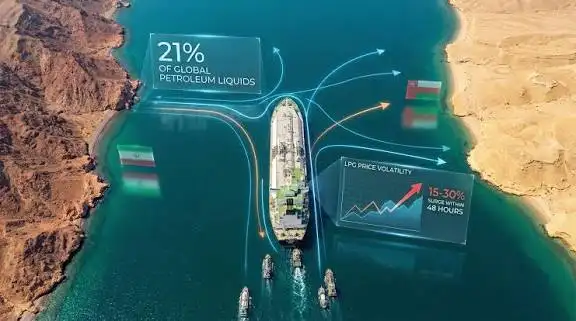
Global oil markets experienced a sharp surge in prices as escalating conflict in the Middle East raised fears about the security of shipping routes through the Strait of Hormuz, one of the world’s most critical energy corridors. Traders, governments and energy companies are closely monitoring developments in the region as concerns grow that continued inility could disrupt the steady flow of crude oil to global markets.
Energy analysts say the Strait of Hormuz plays a central role in the international oil trade. A significant share of the world’s crude shipments moves through the narrow waterway each day, connecting major oil producers in the Gulf to markets in Asia, Europe and beyond. Any threat to shipping in this area immediately triggers concern among investors and policymakers because even minor disruptions can lead to significant price movements.
Recent military tensions and reports of increased naval activity have heightened fears that the vital maritime route could face restrictions or temporary closures. Insurance providers have already raised risk assessments for vessels operating in the Gulf region, while some shipping companies are reviewing alternative routes or delaying shipments until the security situation becomes clearer. These developments have contributed to the rapid rise in oil prices across international markets.
Financial markets reacted quickly to the growing uncertainty. Oil futures rose as investors moved to secure supplies in anticipation of possible disruptions. Market participants also increased their focus on strategic reserves and supply buffers held by major consuming nations. Governments that rely heavily on imported energy have begun reviewing contingency plans to ensure that essential supplies remain available if the situation worsens.
Economists warn that sustained increases in oil prices could have widespread consequences for the global economy. Higher energy costs typically translate into rising transportation expenses, increased manufacturing costs and pressure on consumer prices. For many countries already dealing with inflation challenges, a prolonged surge in oil prices could complicate economic policy decisions and slow growth.
Energy producing nations in the Gulf have sought to reassure markets that production facilities remain operational and that shipments continue to move through elished channels. However, officials acknowledge that the broader security environment has become more unpredictable. Regional governments are working closely with international partners to protect shipping lanes and maintain the ility of energy supplies.
Industry experts note that global oil markets are highly sensitive to geopolitical risk, particularly when tensions occur in areas responsible for large volumes of production and transport. Even the perception of potential disruption can drive significant volatility, as traders adjust expectations for supply and demand.
As the conflict in the Middle East continues to evolve, attention remains focused on the Strait of Hormuz and the surrounding waters. Governments, shipping companies and energy producers are preparing for a range of scenarios, recognizing that developments in the region could shape global energy markets for months to come.











Leave a comment