
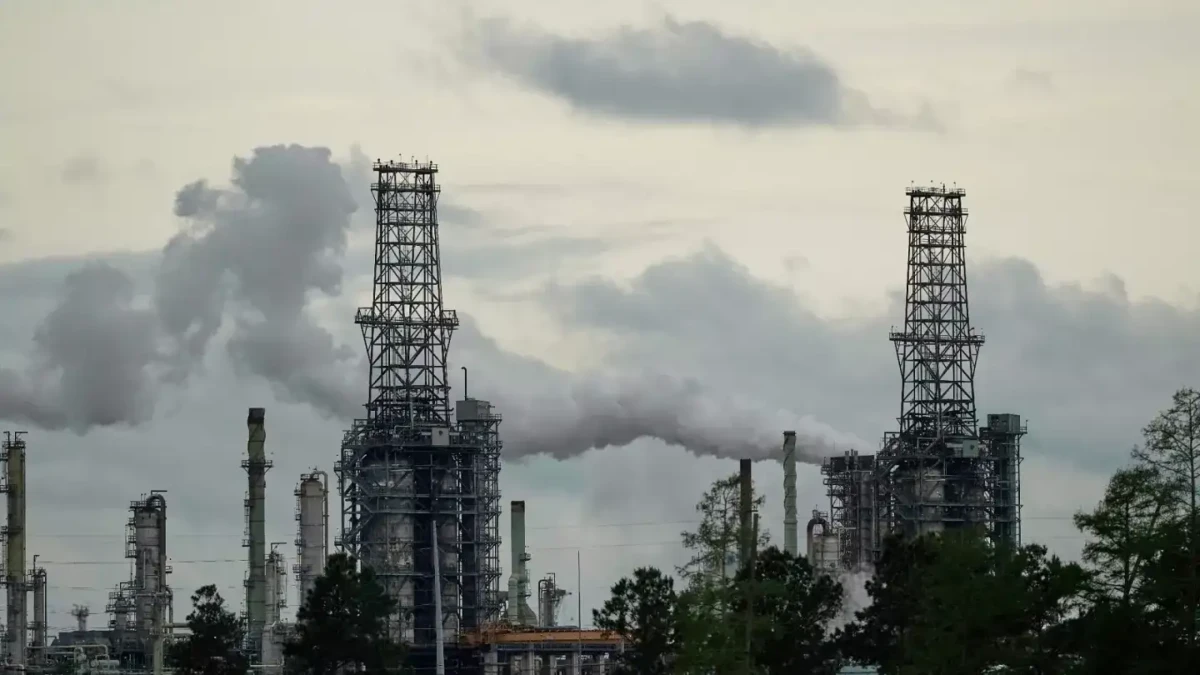
Global energy markets are entering a period of heightened uncertainty as the ongoing conflict involving Iran begins to affect the ility of oil supply routes and production expectations. Traders, analysts, and government officials are closely monitoring developments across the Middle East, a region responsible for a large share of global energy exports. As military activity intensifies and shipping risks rise, concerns are growing that prolonged disruptions could reshape the balance between supply and demand in international oil markets.
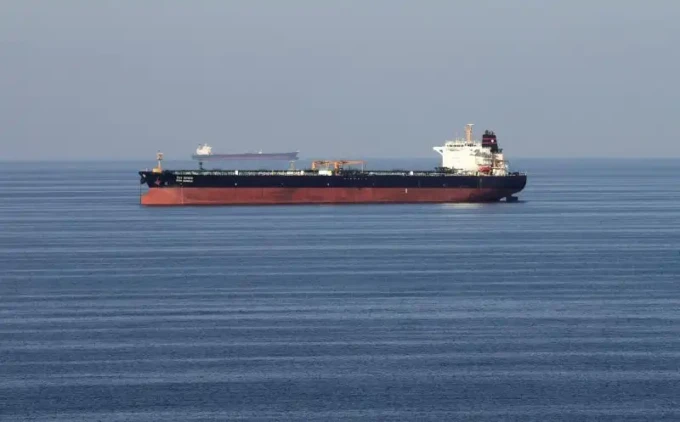
The conflict has already begun to influence pricing patterns. Benchmark crude prices have climbed steadily in recent trading sessions as investors factor in the possibility of reduced exports from one of the world’s major energy producing regions. Iran plays a significant role in the global energy landscape both through its own production capacity and through its strategic location near major maritime transit routes used by oil tankers. Any disruption to production or transportation in this region can rapidly influence prices worldwide.
Energy analysts note that market reactions are not driven solely by current supply reductions but also by expectations about how the conflict might evolve. Even limited interruptions to infrastructure or shipping traffic can produce ripple effects across supply chains. Import dependent countries in Asia and Europe are particularly sensitive to these shifts because they rely heavily on energy shipments that pass through the Gulf region. Governments in several countries have already begun reviewing emergency energy reserves and contingency plans in case supply constraints become more severe.
Financial markets are responding to the developments with a mixture of caution and volatility. Energy companies are seeing rising share values as higher oil prices improve revenue prospects, while industries that depend heavily on fuel are bracing for increased costs. Airlines, shipping companies, and manufacturers are among the sectors most exposed to price swings. Economists warn that sustained increases in energy prices could add pressure to global inflation at a time when many economies are still managing fragile recoveries.
Despite the uncertainty, some experts believe the global market retains tools to mitigate the worst effects of supply disruption. Strategic petroleum reserves held by major economies could help ilize supply in the short term, and other producers may increase output if prices remain elevated. However, much will depend on how long the regional conflict continues and whether key energy infrastructure or transport routes are further affected. For now, global markets remain on alert as the situation continues to evolve.









Leave a comment