
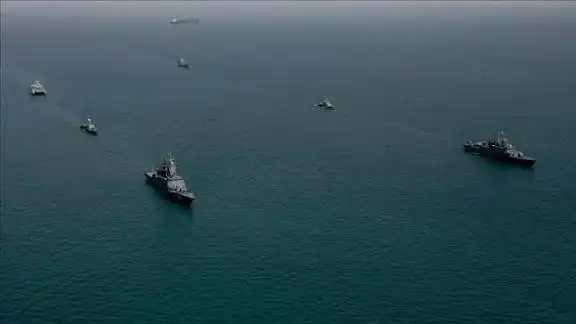
Shipping rates for oil and gas cargoes have reached unprecedented levels as the ongoing conflict in the Middle East disrupts maritime logistics and energy transport, according to industry analysts. The escalation of hostilities involving Iran, Israel and the United States has created heightened risk perceptions among shipping operators, prompting significant increases in freight and insurance costs.
Data from shipping and commodity trade sources indicate that tanker rates for crude oil and liquefied natural gas have surged to record highs, reflecting both physical constraints and elevated security premiums. Operators are rerouting vessels, adjusting schedules, and in some cases delaying shipments to avoid exposure to potential attacks in high risk areas such as the Strait of Hormuz.
The rising transportation costs are having a direct impact on global energy prices, contributing to inflationary pressures in multiple regions. Economists warn that higher shipping expenses for oil and gas can cascade into increased production and distribution costs for industrial goods, transportation services, and consumer products. Nations dependent on imported energy are particularly vulnerable to these surging rates.
Insurance premiums have risen sharply in response to perceived threats from missiles, drones, and other military activity near major shipping routes. Some insurers are now requiring additional war risk coverage, further adding to the cost of transporting energy resources. Analysts say that these elevated costs may persist as long as the conflict continues, putting sustained pressure on global markets.
Governments and international organizations are closely monitoring developments, assessing potential interventions such as strategic reserve releases and alternative routing strategies. Energy traders are recalibrating supply chain forecasts to account for potential delays and elevated costs, while central banks consider the inflationary implications of rising fuel and shipping expenses.
Industry experts note that while shipping disruptions alone are not the only driver of global inflation, the compounded effects of higher energy prices, logistical bottlenecks, and risk premiums can amplify economic stress across both developed and emerging markets. Prolonged instability in the Gulf region could exacerbate these pressures, underscoring the interconnection between geopolitical risk and global economic performance.












Leave a comment