
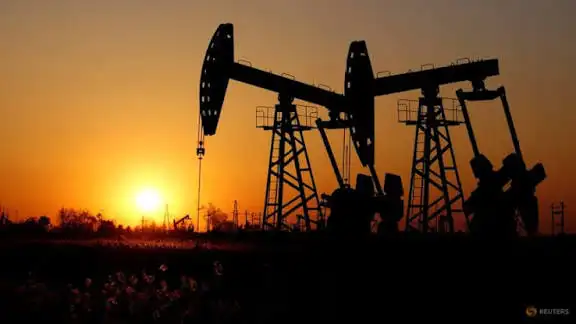
Global oil and gas prices surged to multi year highs on Thursday as the escalating conflict involving Iran disrupted critical shipping lanes and raised concerns over potential production slowdowns across the Middle East. Energy markets reacted sharply to mounting reports of maritime restrictions and precautionary shutdowns near key export terminals.
Brent crude and West Texas Intermediate both recorded significant gains during early trading, reflecting fears that the security situation could constrain supply from some of the world’s largest producers. Natural gas prices also climbed amid speculation that liquefied natural gas shipments could face delays due to restricted access to regional ports and airspace closures affecting logistical operations.
Central to market anxiety is the Strait of Hormuz, a narrow waterway through which a substantial share of global oil exports transit daily. Shipping companies have reportedly rerouted vessels or temporarily suspended passage through high risk zones following warnings of potential missile and drone threats. Marine insurers have increased premiums, adding further cost pressures to energy transport.
Energy analysts note that even limited interruptions in Gulf exports can trigger disproportionate price swings due to the tight balance between global supply and demand. Strategic petroleum reserves in several consuming nations remain a potential buffer, but officials have so far refrained from announcing coordinated releases.
Major energy producing states in the region have sought to reassure markets that output remains stable, though they acknowledge heightened security measures at offshore platforms and storage facilities. Industry sources say contingency plans are in place to safeguard personnel and infrastructure, but sustained hostilities could complicate operations.
The ripple effects extend beyond the energy sector. Rising fuel costs are expected to feed into transportation, manufacturing, and food prices, potentially exacerbating inflationary pressures already present in many economies. Stock markets across Asia and Europe showed volatility as investors reassessed growth prospects in light of higher input costs.
Government officials in importing nations have begun consultations with domestic energy regulators and industry leaders to evaluate supply resilience. Some policymakers have called for accelerated diversification of energy sources and expanded investment in renewables to mitigate exposure to geopolitical shocks.
While diplomatic efforts to contain the conflict continue, traders remain cautious. Market sentiment suggests that prices will remain elevated until there is clearer evidence of stabilization or a sustained reduction in military activity. For now, the surge in oil and gas prices underscores the vulnerability of global energy systems to regional instability.






Leave a comment