
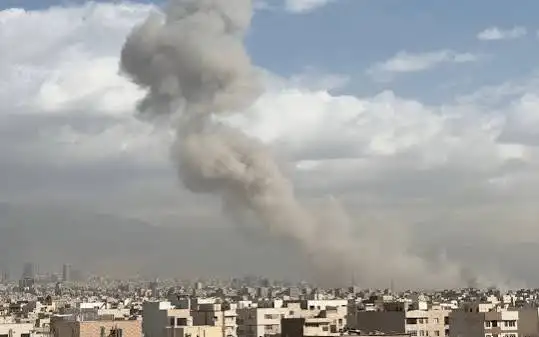
Global financial markets reacted sharply to escalating tensions in the Middle East, with investors moving rapidly toward traditional safe haven assets and pricing in heightened geopolitical risk. Oil and gold recorded notable gains as traders assessed the potential impact of military developments involving Israel, Iran, and the United States.
Crude oil futures climbed amid concerns that sustained hostilities could disrupt supply routes through the Persian Gulf, a critical artery for global energy exports. Analysts noted that even the perception of instability near major production hubs can trigger immediate price spikes, particularly when uncertainty surrounds the scale and duration of military engagement.
Gold prices rose in tandem, reflecting increased demand for assets viewed as stable during periods of crisis. Market strategists said the movement underscores a broader risk off sentiment that has begun to influence equities and emerging market currencies. Silver also advanced as investors diversified holdings within the precious metals sector.
Equity markets across Asia and Europe opened lower, while futures indicated potential weakness on Wall Street. Sectors sensitive to energy costs and global trade showed the sharpest declines. Airline stocks faced additional pressure due to regional airspace closures and higher projected fuel expenses.
Currency markets experienced volatility as traders recalibrated expectations. The United States dollar strengthened against several major currencies, benefiting from its status as a reserve currency during global uncertainty. Emerging market currencies in energy importing countries came under strain due to concerns about rising import bills.
Financial institutions issued research notes highlighting the risk of prolonged instability if retaliatory measures escalate. Economists warned that sustained oil price increases could complicate central bank efforts to manage inflation, particularly in economies already grappling with tight monetary conditions.
International organizations called for restraint, emphasizing the potential economic consequences of a broader regional conflict. Business leaders expressed concern that shipping routes and supply chains could face disruption if tensions spread beyond initial strike zones.
Market participants remain focused on diplomatic signals and military developments. Analysts said volatility is likely to persist until clearer indications emerge regarding whether the confrontation will stabilize or intensify.









Leave a comment