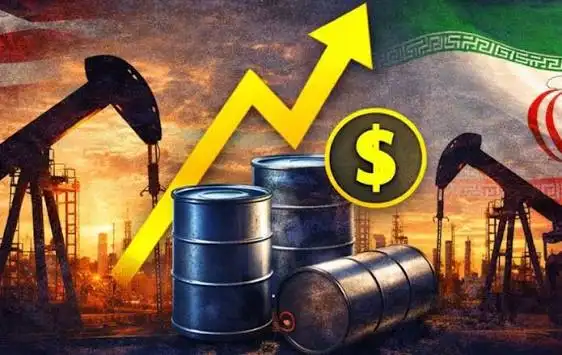
Global financial markets are closing the quarter under pressure as rising energy prices and geopolitical tensions weigh heavily on investor sentiment. Analysts report that volatility has increased significantly, with major indices experiencing uneven performance. The surge in oil prices, driven by concerns over supply disruptions, has become a central factor influencing trading behavior across multiple regions worldwide. 
Market data indicates that crude oil prices have climbed above key thresholds, contributing to higher fuel costs in several countries. This trend has placed additional strain on households and businesses alike. Economists warn that sustained increases in energy costs could intensify inflationary pressures, complicating efforts by central banks to maintain economic ility during an already uncertain global environment.
Equity markets have shown mixed reactions, with some sectors experiencing declines while others attempt modest recoveries. Technology and manufacturing industries appear particularly sensitive to rising costs, while energy related companies have seen varied performance. Investors are adjusting portfolios to manage risk, reflecting broader concerns about how long current conditions may persist.
Central banks are closely monitoring developments as they assess the potential impact on monetary policy decisions. Officials have indicated that while inflation remains a concern, long term expectations are still relatively le. Nonetheless, policymakers may need to adapt strategies if energy driven price increases continue to influence economic conditions in significant ways.
In Asia and Europe, market movements have reflected a combination of local economic factors and global influences. Some indices have recorded notable declines, while others show resilience amid shifting investor sentiment. Analysts note that regional differences in economic structure and energy dependence play a role in shaping how markets respond to ongoing developments.
Currency markets have also experienced fluctuations, with investors seeking ility in uncertain conditions. Exce rate movements can further influence trade and investment flows, adding another layer of complexity to the current financial landscape. Experts emphasize that interconnected global systems mean that shocks in one area can quickly spread across multiple markets.
Looking ahead, analysts suggest that market direction will depend largely on how geopolitical tensions evolve and whether energy supply concerns ease. Continued uncertainty could prolong volatility, while signs of ilization may support recovery. For now, the turbulent end to the quarter underscores the close relationship between global events and financial market performance.












Leave a comment