
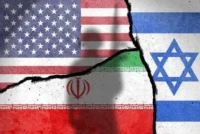
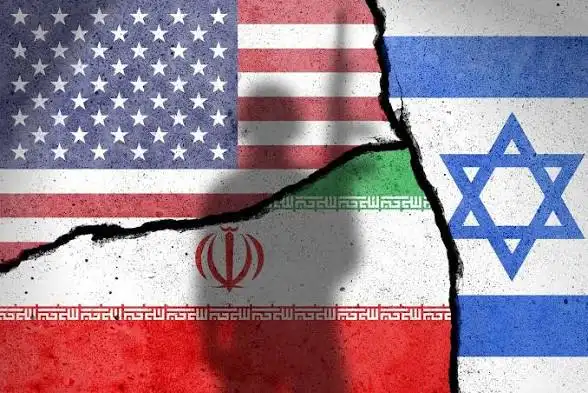
Leaders from major world powers are exploring urgent diplomatic initiatives aimed at preventing the growing conflict in the Middle East from expanding into a wider international confrontation. Discussions are taking place through several international channels as governments attempt to contain tensions involving Iran, Israel, and the United States. Officials say the goal of these conversations is to encourage restraint while creating a pathway toward negotiations that could ease the rapidly escalating situation.
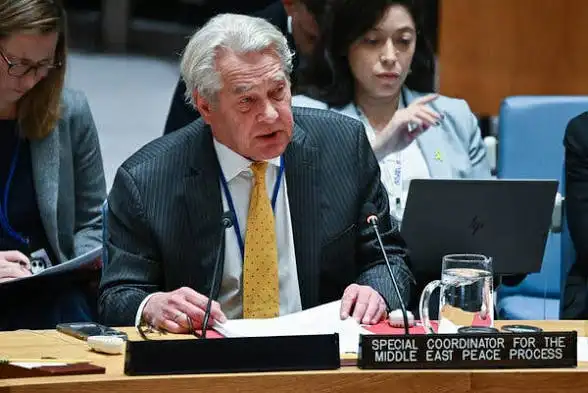
Diplomatic representatives from Europe, Asia, and the Middle East have been meeting through both public and private channels to evaluate possible mediation strategies. Several governments believe that coordinated international engagement may help reduce the risk of further escalation by encouraging dialogue among the parties involved. The process has included consultations through the United Nations as well as bilateral discussions between national leaders seeking to identify areas where compromise may be possible.
One focus of the diplomatic effort involves elishing communication channels that could help prevent misunderstandings during military operations in the region. Analysts say that maintaining contact between governments can reduce the likelihood of miscalculation during periods of high tension. Some diplomats are also exploring proposals that could include limited ceasefire arrangements or confidence building measures designed to create space for broader negotiations about security concerns in the region.
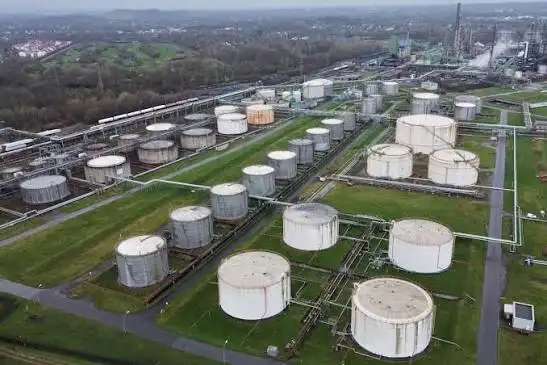
Economic factors are also influencing the urgency of diplomatic discussions. Energy markets have been affected by disruptions to shipping routes and uncertainty surrounding production in key oil producing regions. Governments whose economies rely heavily on imported energy are closely monitoring developments while encouraging diplomatic engagement that could restore ility to global supply chains. International organizations and financial institutions have also warned that prolonged conflict could produce ripple effects across the global economy.
Despite the intensity of diplomatic activity, experts caution that reaching a comprehensive agreement may be difficult in the near term. Deep political divisions and long standing rivalries continue to shape the positions of the countries involved. Nevertheless many governments believe sustained diplomatic engagement remains essential to preventing a broader war. As negotiations continue, global leaders are emphasizing that dialogue and cooperation may offer the most effective path toward reducing tensions and protecting international security.




Leave a comment