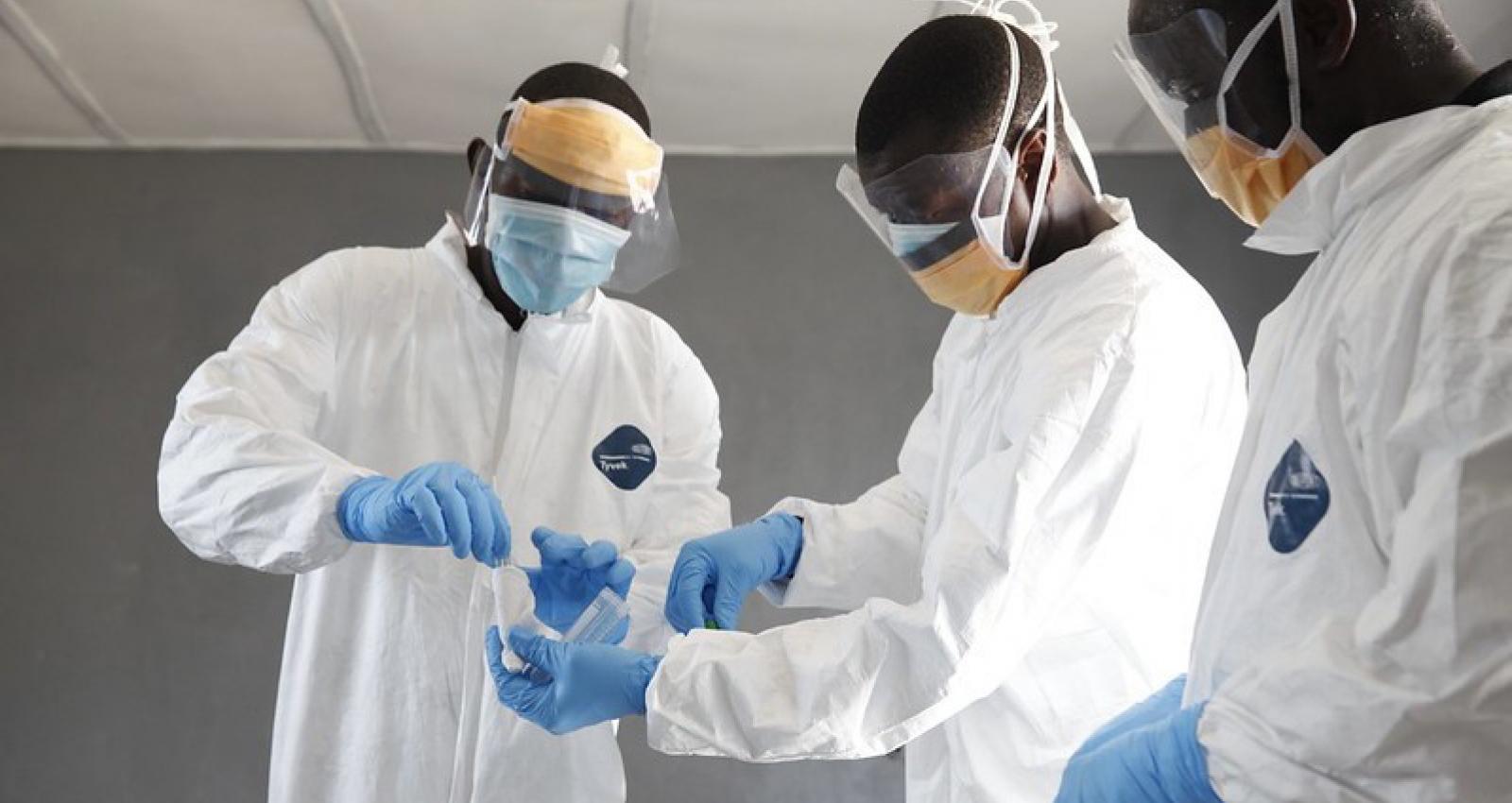
The global health community has made significant strides in combating emerging infectious diseases through innovative vaccine research and development.
The U.S. Food and Drug Administration (FDA) has approved Moderna’s next-generation COVID-19 vaccine, mNEXSPIKE, for adults aged 65 and older, as well as individuals aged 12 to 64 with underlying health conditions. This vaccine offers advantages such as refrigerator storage for improved shelf life and demonstrated superior efficacy compared to Moderna’s original Spikevax in clinical trials. Moderna anticipates mNEXSPIKE’s availability for the 2025-2026 respiratory virus season.
In the realm of avian influenza, scientists are urgently working on developing a new vaccine for H5N1, also known as bird flu, as recent severe cases in Canada and the U.S. raise concerns of a potential pandemic. Multiple companies, including Moderna and Pfizer, are using mRNA technology to create these vaccines quickly. Current H5N1 vaccines exist but target older virus strains. mRNA vaccines have shown promising results in lab tests with ferrets, indicating strong antibody responses and survival against lethal doses. Developing and updating these vaccines can be done swiftly, but extensive clinical trials for safety and efficacy are crucial.
In the fight against mpox, a new variant has emerged, with isolated cases detected outside Africa in Sweden and Thailand, signaling a potential risk of a pandemic. The World Health Organization declared mpox a public health emergency, with the African continent witnessing a 160% increase in cases, primarily in the Democratic Republic of Congo. This current variant is more lethal, affecting mainly children, unlike the previous outbreak which predominantly impacted the gay and biual community. An effective vaccine exists but is limited in production, with wealthy countries pre-ordering most supplies. Director of Africa CDC, Jean Kaseya, urges for 10 million vaccines by the end of 2025, relying on international donations amid commitments from the European Union, France, and the United States.
The FDA has also recommended that COVID-19 vaccines for the 2025-2026 season target newer strains of the JN.1 variant, specifically highlighting the LP.8.1 strain, which currently accounts for about 70% of U.S. cases. Vaccine producers are preparing accordingly: Novavax is ready to manufacture updates, Pfizer and BioNTech have immediate supply plans upon approval, and Moderna aims for a mid-August launch.
These advancements underscore the global commitment to developing innovative vaccines to address emerging health threats, aiming to enhance preparedness and response to future pandemics.














Are these new vaccines truly the solution or just a temporary band-aid? Lets discuss the long-term implications here.
Im not convinced that these new vaccines are the ultimate solution. What about long-term side effects and accessibility for everyone?
Im not convinced that these new vaccines are the ultimate solution. We need more data and transparency before jumping to conclusions.
Interesting read! But are we creating a cycle of dependency on vaccines? Should we focus more on prevention strategies?
Exciting news on vaccine progress! But will they be accessible to all? Lets discuss equity in global health.