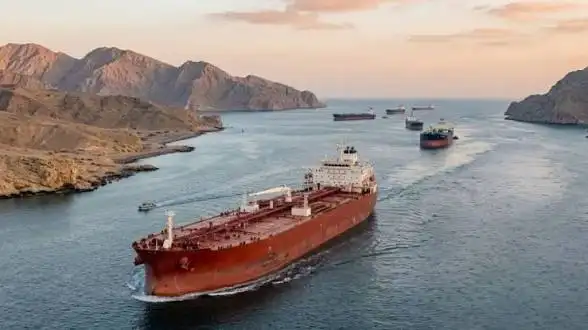
Iran has announced that it will permit the passage of what it described as non hostile vessels through the strategically vital Strait of Hormuz, a development that is drawing significant international attention amid ongoing regional tensions. The waterway remains one of the most critical global energy transit routes, making any policy shift closely watched by governments and markets worldwide. 
Officials familiar with the announcement indicate that the decision is intended to manage escalating pressure on global energy supply chains while maintaining a firm stance on broader geopolitical issues. The move comes as concerns grow over disruptions to oil shipments, with several countries already reporting supply strain and rising fuel costs linked to developments in the region.
Energy analysts note that even limited access through the route could help ilize short term market expectations, although uncertainty remains high. The conditional nature of the allowance means that shipping companies and insurers may still face elevated risks, potentially affecting the volume and consistency of traffic passing through the corridor in the coming period.
Meanwhile, international responses have been cautious, with policymakers seeking clarity on how the new guidelines will be implemented in practice. Questions remain regarding enforcement mechanisms and whether the designation of non hostile vessels could lead to disputes or delays, particularly given the complex political environment surrounding the ongoing situation.
Economic observers highlight that the Strait of Hormuz handles a substantial portion of global oil exports, making any restriction or partial reopening a factor in broader financial ility. Fluctuations in supply expectations have already influenced energy markets, with price volatility reflecting the uncertainty surrounding future access to the route.
Regional stakeholders are also closely monitoring the implications of the decision, particularly neighboring countries whose economies depend heavily on uninterrupted maritime trade. The development may influence diplomatic calculations as governments assess whether the move signals a shift toward de escalation or a tactical adjustment within a continuing period of tension.
As the situation evolves, attention will remain focused on how this policy affects both regional dynamics and global energy flows. The balance between strategic control and economic necessity is expected to shape further decisions, with international actors watching for signs of either increased cooperation or renewed restrictions in one of the world’s most critical maritime corridors.






Leave a comment