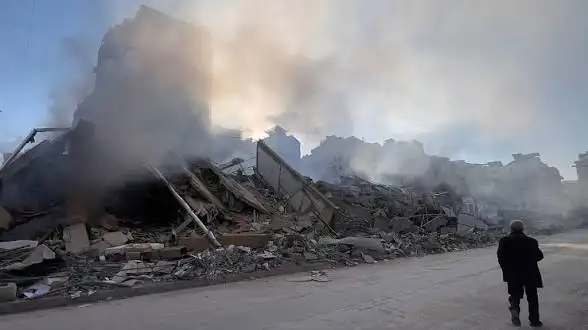
The intensifying conflict in the Middle East has triggered a significant disruption in global energy markets, sending shockwaves through economies already grappling with inflation and uneven growth. As tensions involving Iran, Israel, and the United States escalate, fears over supply interruptions have driven a sharp rise in oil prices. Analysts warn that the situation is evolving into a broad economic challenge with far reaching consequences for both developed and emerging markets.
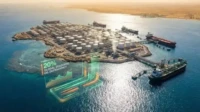
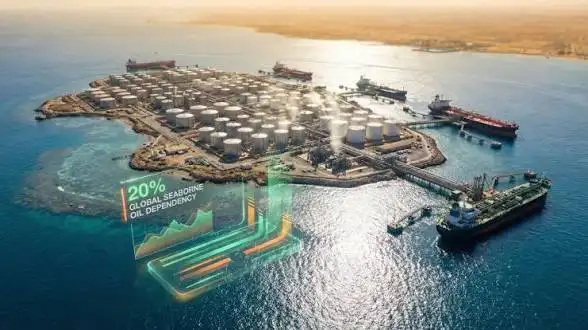
Energy traders have responded swiftly to the uncertainty, with crude prices surging amid concerns over the security of key shipping routes, particularly the Strait of Hormuz. This narrow passage handles a substantial portion of the world’s oil supply, and any disruption has immediate global implications. The resulting price increases have begun to filter through supply chains, raising costs for transportation, manufacturing, and electricity generation in multiple regions.
Governments are now facing difficult policy decisions as they attempt to cushion the impact on consumers and businesses. In several countries, officials are considering subsis, strategic reserve releases, and price controls to manage the situation. Economists caution, however, that such measures may offer only temporary relief if the underlying geopolitical tensions persist. Central banks are also monitoring the situation closely, as rising energy costs could complicate efforts to control inflation.
Industries that depend heavily on fuel, including aviation, shipping, and logistics, are already feeling the strain. Airlines have begun adjusting ticket prices, while shipping companies are exploring alternative routes to avoid high risk areas. These adjustments could further disrupt global trade flows, contributing to delays and increased costs for goods ranging from food to consumer electronics. The ripple effects are particularly concerning for lower income countries, where higher fuel prices can quickly translate into broader economic hardship.
As the situation continues to develop, international organizations are calling for coordinated efforts to ilize energy markets and prevent further economic fallout. Diplomatic engagement remains a critical component of these efforts, as a prolonged conflict could deepen the crisis. While short term volatility is expected, the long term outlook will depend largely on whether tensions can be eased and normal supply conditions restored in the coming months.







Leave a comment