
The global economy could face serious disruption if the ongoing conflict in the Middle East extends beyond six months, according to Patrick Pouyanne, chief executive of TotalEnergies. Speaking during an interview with CGTN on Sunday, Pouyanne warned that prolonged inility in the region would have far reaching consequences for economies worldwide.
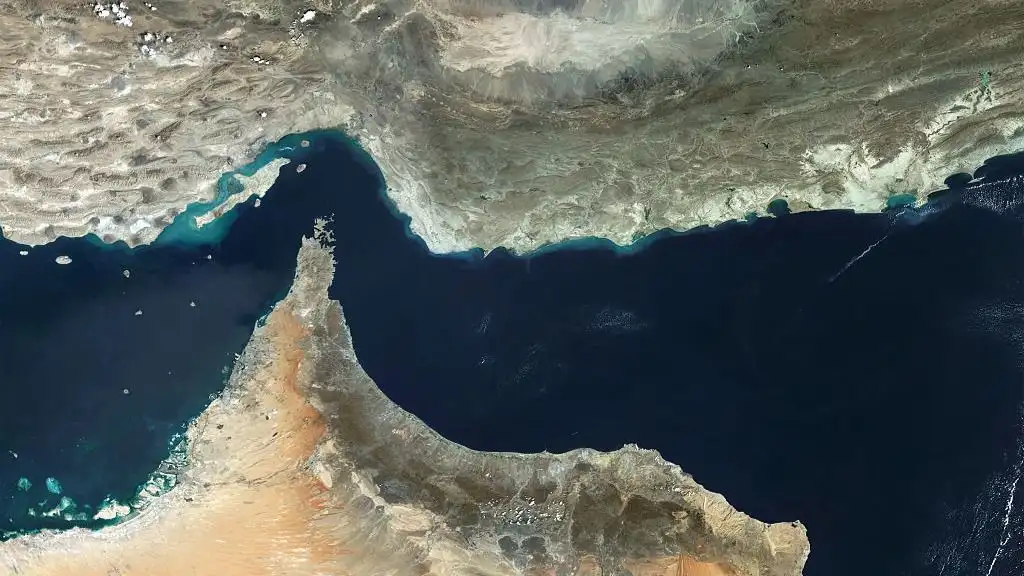
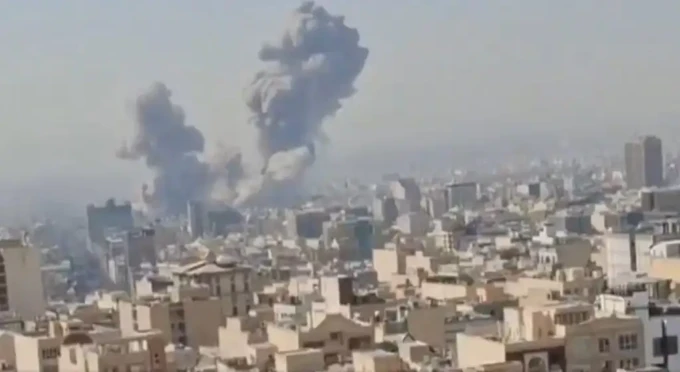
The warning comes amid escalating tensions involving Iran and its strategic control over the Strait of Hormuz, a critical passage through which a significant portion of the world’s oil supply flows. Following retaliatory actions linked to United States and Israel military activity, oil shipments through the strait have been heavily disrupted.
Pouyanne explained that under normal conditions, about 20 percent of global oil production moves through the Strait of Hormuz. However, current restrictions have left approximately 10 million barrels of oil per day unable to reach international markets. This supply shock has raised concerns about rising inflation and slowing economic growth across both developed and emerging economies.
While short term disruptions can be managed using existing oil inventories, Pouyanne noted that the situation becomes significantly more dangerous if it persists. “If the conflict lasts three to four months, we can manage using reserves,” he said. “But beyond six months, the global economy will face real damage.”
Governments and industry leaders are now closely monitoring developments, hoping for a swift resolution to avoid long term economic fallout. The situation underscores the vulnerability of global energy systems to geopolitical tensions and highlights the urgent need for ility in key oil producing regions.






Leave a comment