
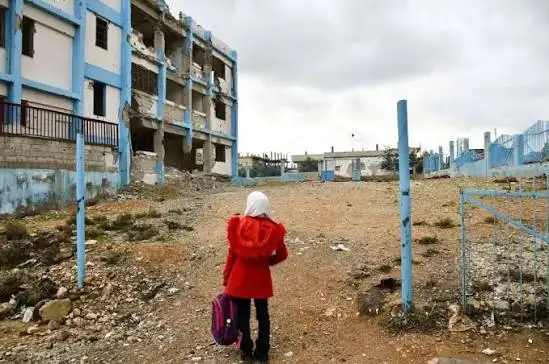
Concerns are intensifying worldwide regarding the safety of schools located in active conflict zones, as recent incidents have drawn attention to the vulnerability of educational facilities. Governments and humanitarian organizations warn that schools, which should serve as safe spaces for children, are increasingly exposed to the risks associated with nearby military activity and ongoing hostilities.
Education experts highlight that the disruption of schooling extends beyond immediate physical risks, affecting long term development and ility within affected communities. When schools are damaged or forced to close, children lose access to structured learning environments, social support systems, and essential services such as meals and basic healthcare often provided within educational settings.
Organizations such as United Nations have emphasized the importance of safeguarding education during crises, calling for adherence to international humanitarian principles that protect civilian infrastructure. Appeals have focused on preventing the use of school premises for military purposes and ensuring that educational institutions are not drawn into areas of active confrontation.
Teachers and school administrators working in affected regions report increasing challenges in maintaining operations under uncertain conditions. Many have adapted by relocating classes, shortening schedules, or shifting to informal teaching arrangements where possible. Despite these efforts, consistent disruptions continue to hinder learning outcomes and place additional stress on both educators and students.
Parents in conflict affected areas face difficult decisions regarding their children’s safety and education. Some opt to keep children at home to avoid potential risks, while others seek alternative schooling options in safer locations. These choices often come with financial and logistical burdens, further compounding the challenges faced by families already impacted by inility.
Humanitarian agencies are expanding programs aimed at supporting education continuity, including the elishment of temporary learning spaces and the provision of educational materials. Psychological support initiatives have also been introduced to help children cope with trauma, recognizing that emotional well being is closely tied to academic performance and overall development.
As global attention remains focused on the issue, policymakers are being urged to prioritize the protection of educational infrastructure in conflict settings. Advocates stress that ensuring access to safe learning environments is critical not only for individual futures but also for the long term recovery and resilience of communities affected by prolonged unrest.








Leave a comment