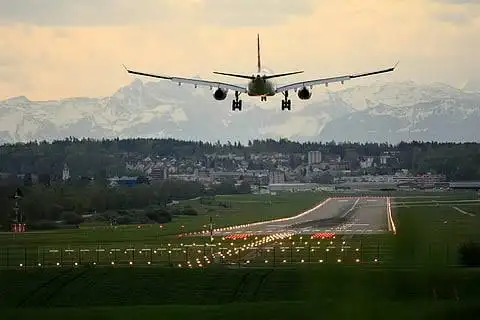
Global air travel faced severe disruption as multiple Middle East countries closed or restricted their airspace amid escalating conflict between Iran, Israel and the United States. Thousands of flights were cancelled or rerouted as airlines scrambled to adjust schedules in response to mounting security risks across key aviation corridors.
Airspace over Iran, Iraq, Kuwait, Bahrain, the United Arab Emirates and Qatar saw dramatic reductions in commercial traffic, with flight tracking data showing normally busy routes left largely empty. Aviation authorities issued notices to pilots advising them to avoid affected zones, citing ongoing military activity and the risk posed by missile and drone exchanges.
Major international carriers cancelled hundreds of services on 1 March, affecting routes between Europe, Asia, North America and the Gulf. Air India confirmed it had suspended twenty eight flights to Europe, the United States and Canada due to the evolving situation. Other airlines diverted aircraft mid flight to alternative airports or returned them to their points of origin as precautionary measures.
Industry analysts said the scale of disruption reflects the strategic importance of Middle Eastern airspace to global aviation networks. The region serves as a critical transit hub linking continents, and closures force airlines to take longer routes, increasing fuel costs and travel times. Passengers faced delays, missed connections and uncertainty as airlines worked to rebook affected journeys.
Airport authorities across the Gulf heightened security and coordinated closely with national defense agencies. While major airports remained operational, departures and arrivals were subject to sudden changes depending on security assessments. Travelers were advised to check directly with airlines before heading to terminals.
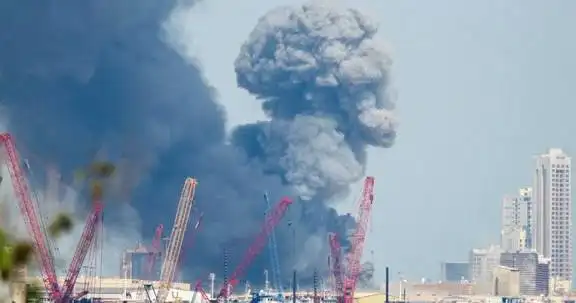
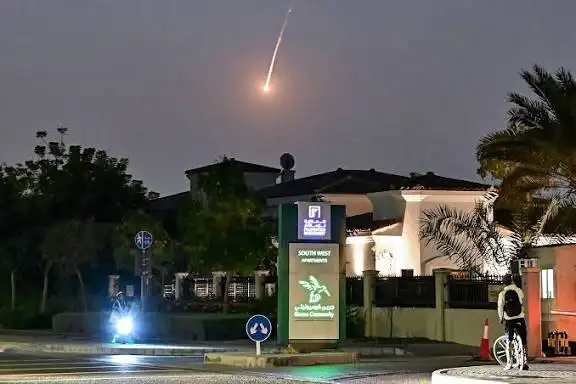
The disruption comes amid intensified hostilities following reported strikes inside Iran and retaliatory missile activity across the Gulf. Aviation safety experts noted that commercial aircraft must be kept well clear of conflict zones, particularly when advanced air defense systems and long range weapons are active.
Financial markets responded cautiously, with airline stocks under pressure as investors assessed the potential duration of the closures. Prolonged restrictions could strain carriers already navigating high fuel prices and seasonal demand fluctuations.
Governments and international aviation bodies are monitoring developments closely. Officials say airspace will reopen gradually once security conditions allow, but the timeline remains uncertain. For now, the conflict has demonstrated how quickly geopolitical crises can reverberate through global transport systems, disrupting millions of passengers and reshaping flight patterns worldwide.




Leave a comment