
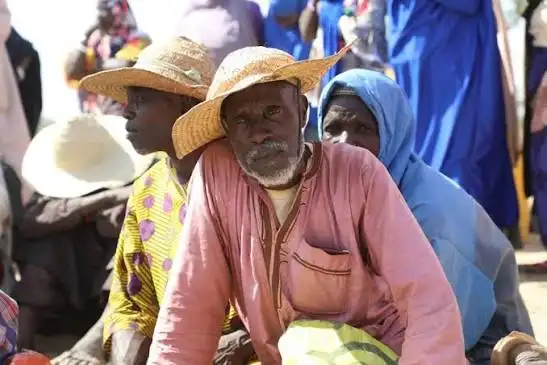
Major international relief groups are calling for urgent and coordinated mediation efforts as multiple conflict zones continue to place growing pressure on civilian populations. Organizations including the United Nations and the International Committee of the Red Cross have emphasized the need for diplomatic engagement to reduce hostilities and facilitate humanitarian access. Their appeals come amid mounting concerns that simultaneous crises in different regions are stretching global response capabilities.
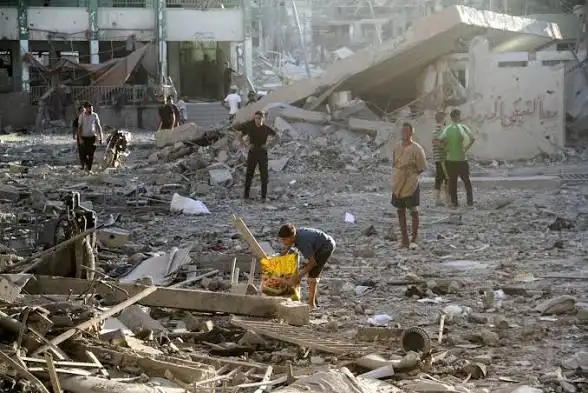
Humanitarian agencies report that overlapping conflicts have created complex emergencies where access to food, medical care, and shelter is increasingly limited. In several regions, aid delivery has been disrupted by ongoing violence and logistical challenges, leaving vulnerable communities at heightened risk. Relief workers on the ground have highlighted the importance of securing safe corridors to ensure that assistance can reach those in need without delay.
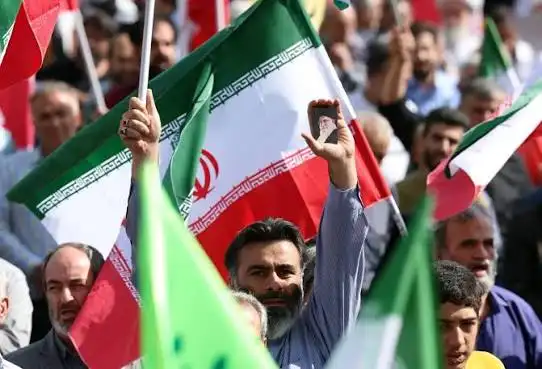
Diplomatic efforts, however, have struggled to keep pace with the scale and speed of unfolding events. While some negotiations are ongoing, progress has often been slow due to competing political interests and a lack of sustained coordination among key stakeholders. Experts argue that a more unified international approach is necessary to address interconnected crises, particularly where regional conflicts have broader global implications.
Funding constraints are also adding to the challenges faced by humanitarian organizations. As the number of emergencies rises, resources are being stretched thin, forcing agencies to make difficult decisions about allocation. Appeals for increased financial support have been issued to governments and donors, with warnings that insufficient funding could further limit the scope of life saving operations.
Despite these obstacles, aid groups continue to advocate for solutions that prioritize civilian protection and long term ility. They stress that mediation efforts must be inclusive and supported by sustained international commitment. As global attention remains divided across multiple crises, humanitarian leaders are urging immediate action to prevent further deterioration and to create conditions that allow affected populations to recover and rebuild.






Leave a comment