
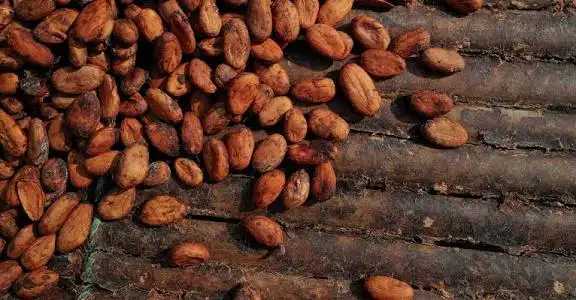
Ghana has announced a reduction in the producer price paid to cocoa farmers following a sharp downturn in global cocoa markets, a decision that has stirred concern across rural communities heavily dependent on the crop. Officials said the adjustment reflects the sustained collapse in international benchmark prices, which has significantly narrowed the margin available to maintain previous payment levels.
The Ghana Cocoa Board, the state body responsible for regulating and marketing cocoa, confirmed that the revised producer price will take effect immediately. Authorities emphasized that the move was necessary to align domestic payouts with prevailing market realities and to safeguard the financial ility of the sector. They noted that maintaining artificially high farm gate prices could strain public finances and undermine the long term sustainability of cocoa operations.
Cocoa remains one of Ghana’s most critical export commodities, supporting millions of livelihoods and generating vital foreign exce earnings. The country is among the world’s leading cocoa producers, and fluctuations in global demand and speculative trading can have outsized effects on national revenue. Officials explained that the recent collapse in prices was driven by a combination of increased global supply, easing concerns about weather related disruptions, and softer demand from major chocolate manufacturers.
Farmers’ associations reacted with apprehension, warning that lower producer prices could intensify economic hardship in cocoa growing regions. Many smallholder farmers already face rising input costs for fertilizers, pesticides, and transportation. A reduction in earnings, they argue, may limit their ability to invest in farm maintenance and productivity improvements.
Government representatives sought to reassure producers by outlining support measures aimed at cushioning the impact. These include continued access to subsidized inputs, technical assistance programs, and efforts to promote value addition within Ghana. Officials also highlighted initiatives to diversify rural incomes and encourage alternative crops in areas vulnerable to price volatility.
Economic analysts say the adjustment underscores the delicate balance Ghana must maintain between supporting farmers and preserving fiscal discipline. While higher cocoa prices can boost rural incomes, they can also create budgetary pressures if global markets turn downward.
As global cocoa prices continue to fluctuate, the resilience of Ghana’s agricultural sector will depend on adaptive policies and sustained investment. For farmers awaiting clarity on their financial outlook, the announcement marks a pivotal moment in a season already shaped by uncertainty.












Leave a comment