
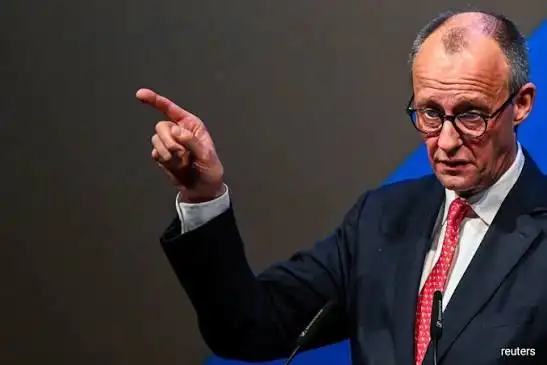
Germany is pressing for deeper and fairer economic cooperation with China, as Berlin navigates a complex global trade environment marked by strategic competition and supply chain recalibration.
Senior German officials have emphasized the importance of maintaining robust commercial ties with Beijing while advocating for greater reciprocity and market access for European firms. The push reflects Germany position as Europe largest economy and its longstanding export oriented model, which relies heavily on international trade.
China remains one of Germany most significant trading partners, particularly in sectors such as automotive manufacturing, machinery, and chemicals. However, concerns have grown within Berlin over dependency risks, regulatory imbalances, and the broader geopolitical climate.
German policymakers have increasingly framed their approach as one of risk reduction rather than full economic disengagement. The objective, according to officials, is to diversify supply chains and safeguard critical industries without severing mutually beneficial commercial relationships.
Business leaders have echoed calls for clarity and predictability. German companies operating in China have sought assurances regarding intellectual property protection, regulatory transparency, and equal competitive conditions. At the same time, Chinese firms continue to invest in parts of Europe, contributing to economic interdependence.
The debate unfolds against a backdrop of wider European Union discussions about strategic autonomy and industrial policy. Brussels has introduced measures aimed at strengthening domestic production capacity and screening foreign investments in sensitive sectors.
China, for its part, has signaled openness to dialogue while defending its economic policies. Beijing has repeatedly called for pragmatic cooperation and warned against protectionist tendencies that could disrupt global growth.
Analysts suggest that Germany balancing act reflects broader tensions within the global economy. While geopolitical rivalry between major powers has intensified, commercial ties remain deeply intertwined.
As Berlin engages Beijing in talks aimed at recalibrating economic relations, the outcome may influence the broader trajectory of Europe approach to China. The emphasis on fairness and ility underscores Germany effort to protect its industrial base while remaining engaged in global markets.








Leave a comment