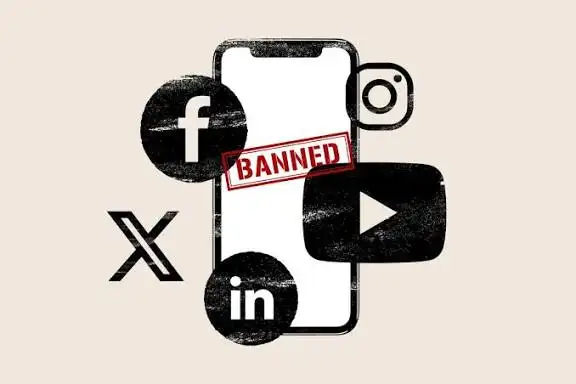
Authorities in Gabon have temporarily suspended access to major social media platforms as protests and labour strikes intensified across the country, a move officials say is aimed at preventing the spread of misinformation and curbing further unrest.
The government announced the restriction following several days of demonstrations in Libreville and other urban centers, where workers and civil society groups have been rallying over wage disputes, rising living costs, and governance concerns. Public sector unions have led coordinated strike actions, disrupting transportation, administrative services, and segments of the energy sector.
In an official statement, government representatives argued that certain online platforms were being used to circulate unverified claims and inflammatory content that could escalate tensions. Authorities framed the suspension as a temporary security measure designed to restore calm and allow dialogue to proceed without what they described as digital interference.
However, opposition figures and rights organizations criticized the decision, calling it a disproportionate response that restricts freedom of expression and limits access to information. Advocacy groups contend that social media plays a vital role in enabling citizens to organize peacefully and share updates during periods of uncertainty.
Telecommunications providers confirmed that access to several widely used applications had been restricted, though traditional phone and text messaging services remained operational. Businesses reliant on digital communication expressed concern about the economic impact of prolonged disruptions, particularly small enterprises that depend on online marketing and payment platforms.
The unrest follows months of mounting economic pressure in Gabon, where citizens have voiced frustration over unemployment, inflation, and perceived inequalities. Labour leaders have called for negotiations with government officials to address salary adjustments and working conditions. Talks are reportedly ongoing, but no comprehensive agreement has yet been announced.
Political analysts note that internet restrictions have become a recurring tactic in various countries during episodes of domestic inility. Critics argue that such measures can erode public trust and complicate transparency, while governments often defend them as necessary to maintain order.
Regional bos and international observers are monitoring developments closely. They have urged all parties to engage in constructive dialogue and to respect fundamental rights while pursuing peaceful resolution of grievances.
As negotiations continue, uncertainty remains over how long the suspension will last. For many citizens, the shutdown underscores the delicate balance between maintaining public order and protecting civil liberties during times of political and economic strain.










Leave a comment