
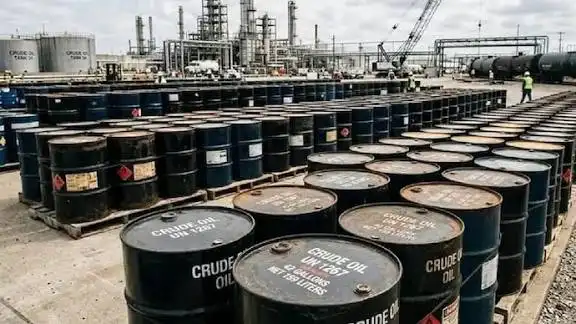
Finance ministers from the Group of Seven held urgent discussions about the possibility of releasing emergency oil reserves as global energy markets react to rising tension in the Middle East. The talks focused on whether coordinated action among major economies could help ilize fuel prices and reassure investors concerned about supply disruptions linked to the ongoing conflict involving Iran. Officials said the conversation reflects growing concern that energy volatility could place additional pressure on economies already facing uncertain growth prospects.
Participants in the discussions included representatives from the United States, Canada, United Kingdom, France, Germany, Italy, and Japan. These nations collectively hold significant strategic petroleum reserves that can be deployed during major supply disruptions. Economic officials explained that coordinated releases have been used in the past to ease sudden spikes in oil prices and maintain confidence in global energy supply systems. While no final decision has been announced, the discussion signals that governments are preparing possible responses if market conditions worsen.
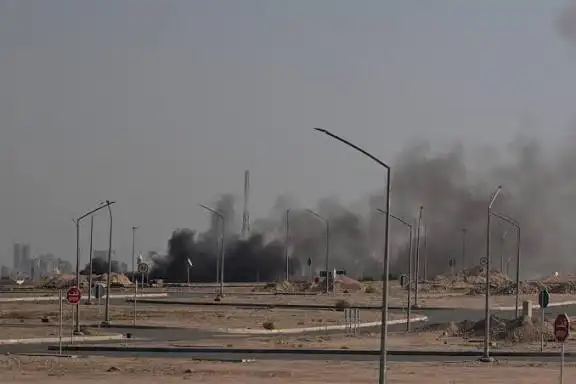
Energy markets have become increasingly volatile as traders evaluate the potential risks to shipping routes and production facilities across the Gulf region. Oil prices have moved sharply higher in recent trading sessions, prompting concern among policy makers about the broader economic consequences. Higher energy costs can influence transportation expenses, manufacturing operations, and household spending patterns. Economists warn that sustained increases in fuel prices could contribute to renewed inflationary pressure in many countries.
Strategic petroleum reserves were originally created to help governments respond quickly during supply emergencies. These reserves store millions of barrels of crude oil that can be released into global markets when production declines or transportation networks face disruption. Financial analysts say that even the signal of a possible coordinated release can sometimes calm markets by demonstrating that governments have tools available to manage sudden supply shocks.
Finance ministers are expected to continue consultations in the coming days as they monitor developments in energy markets and the evolving geopolitical situation. Analysts say the effectiveness of any reserve release would depend on both the scale of the action and the duration of the supply disruption. For now the discussions among G7 officials highlight the seriousness of current market concerns and the willingness of major economies to consider collective measures aimed at maintaining ility in the global energy system.









Leave a comment