
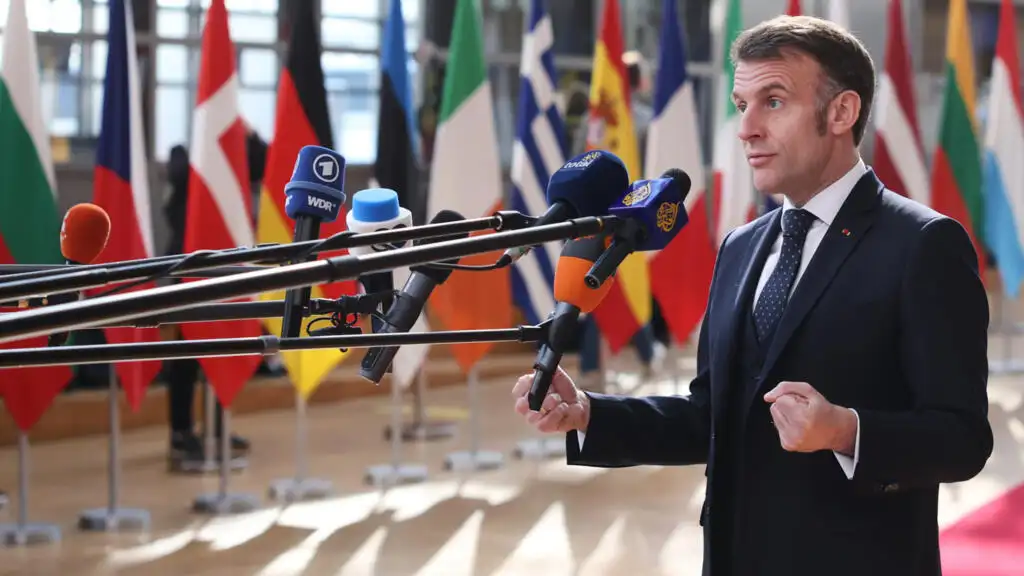
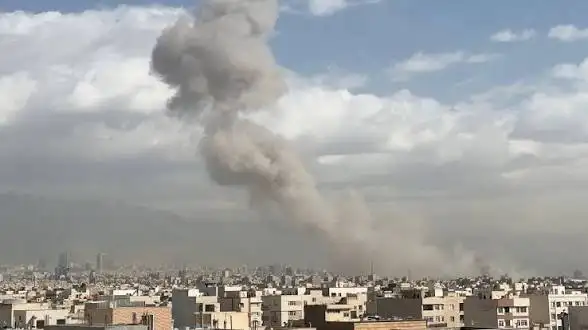
France, the European Union, and Japan have intensified diplomatic efforts to ease rising tensions across the Middle East as the conflict continues to expand beyond its initial flashpoints. Officials from these regions are coordinating messages urging restraint, emphasizing the urgent need to prevent further deterioration that could threaten global economic security and international peace frameworks for global markets.
European leaders have expressed growing concern over the widening scope of the crisis, warning that continued escalation could have far reaching implications beyond the region. Diplomats are actively engaging counterparts in key capitals, seeking to elish communication channels that might reduce misunderstandings and open pathways toward dialogue despite deepening mistrust among the principal actors involved in the confrontation.
Japan has also stepped forward with calls for calm, reflecting its heavy reliance on energy imports from the region. Government representatives in Tokyo have highlighted the risks posed to global supply chains and economic recovery, stressing that sustained disruption could significantly affect industries worldwide. Japanese officials continue to advocate multilateral engagement as a means to reduce tensions and ilize the situation.
Within Europe, policymakers are balancing diplomatic outreach with internal discussions about contingency planning. Concerns over energy security have prompted renewed debates about supply diversification and emergency reserves. At the same time, leaders are cautious not to take positions that might further inflame the situation, instead focusing on coordinated messaging that underscores the importance of restraint and constructive engagement.
Efforts at international organizations have also intensified, with calls for urgent consultations aimed at preventing further escalation. Diplomats are working behind the scenes to align positions and craft statements that reflect a unified stance. These initiatives are seen as critical in maintaining pressure for de escalation while avoiding actions that could complicate already fragile diplomatic dynamics.
Despite these initiatives, significant challenges remain. The complexity of the conflict, combined with competing strategic interests, has limited the effectiveness of previous mediation attempts. Analysts note that while diplomatic pressure can play a role, meaningful progress will likely depend on the willingness of key actors to reconsider their positions and engage in sustained negotiations under increasingly tense conditions.
Observers warn that the coming period will be crucial in determining whether diplomatic efforts can gain traction or if the situation will continue to worsen. The involvement of multiple international stakeholders underscores the global importance of the crisis, with economic, political, and security dimensions all at stake as leaders seek pathways to reduce tensions and restore a measure of predictability.



Leave a comment